What Is PDRN in Skincare? Regenerative Benefits

On this page

In skincare, new ingredients show up often, each one promising to change the way we care for our skin and fight the signs of aging. Recently, PDRN serums and creams have become popular for their regenerative properties, and some of the best PDRN products recommended by dermatologists include Rejuran Healer, CAREGEN’s Dermaheal line, and Dr. Oracle PDRN products. These options are praised for promoting collagen production and improving overall skin health.
Among these, PDRN (Polydeoxyribonucleotide) has caught a lot of attention. People say it is good because of its great regenerative properties.
But what is PDRN skincare, and how does it help your skin look better?
This guide will help you know more about PDRN. You can learn about the science, benefits, and how you can use it. After reading, you will see if this new ingredient is what your skincare routine needs.
What Is PDRN (Polydeoxyribonucleotide)?
PDRN is short for Polydeoxyribonucleotide. It is made up of DNA fragments.
These fragments are small molecules that are active in our bodies. They help cells grow, and they help repair and rebuild cells.
PDRN works as a base that tells the skin’s cells to fix and renew themselves from the inside.
It has a special mix of properties that help the skin. This lets it work well for many skin issues. It is good for fighting signs of aging and helps with skin that is not strong. You can read more at signs of aging.
Where Does PDRN Come From?
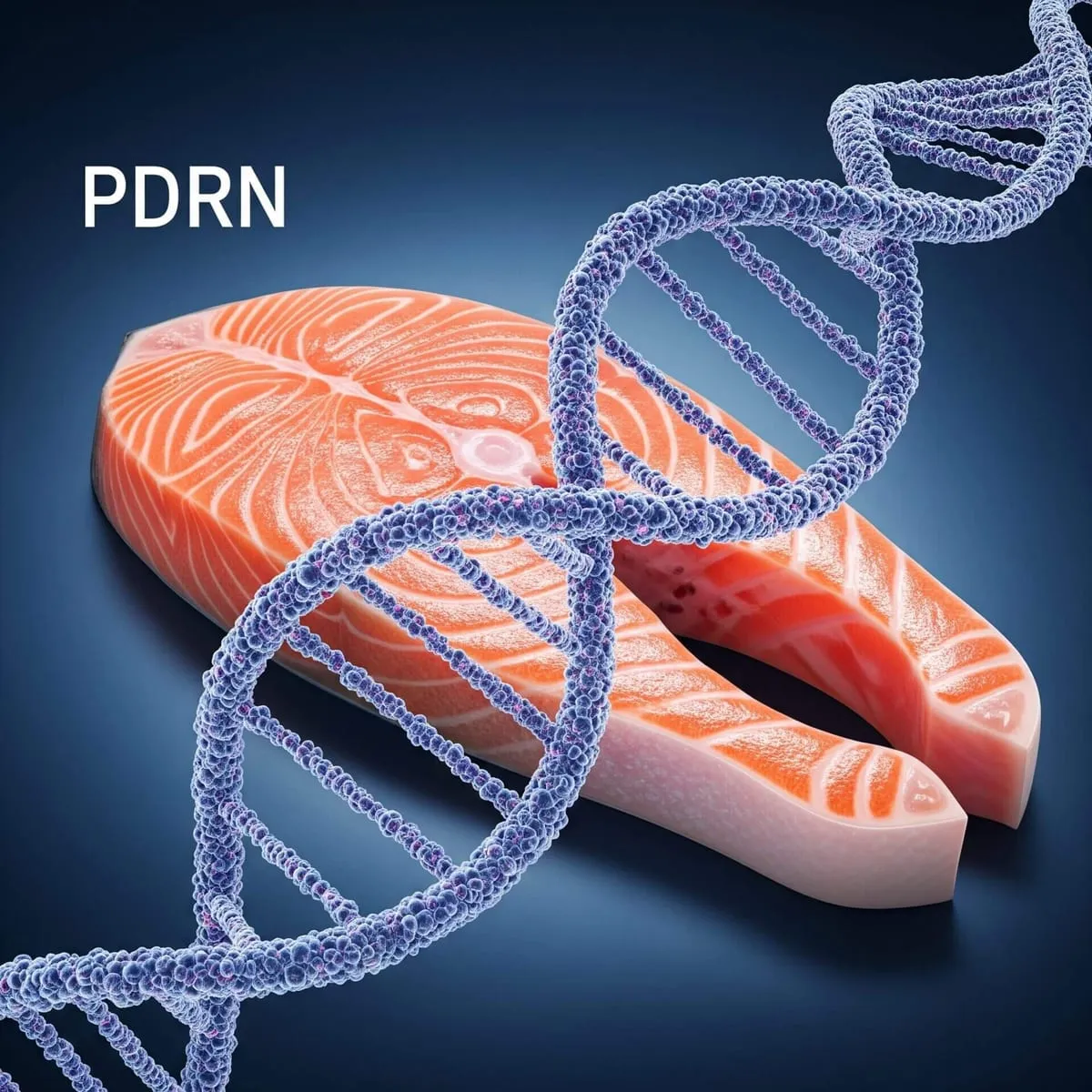
The main source of PDRN used in skincare and aesthetic treatments is salmon DNA.
This may seem unusual, but salmon DNA is cleaned very well. It is also very close to human DNA, which makes it very good for the skin, and most people can use it without a problem.
The way they take out the PDRN makes sure it is safe. It is clean and does not have anything bad in it, so it can work well and give all of its benefits.
While salmon is the main source, researchers are looking at other sources. One of these is ginseng-derived PDRN, which could help it be used in more ways in the future.
What Are the Main Benefits of PDRN for the Skin?
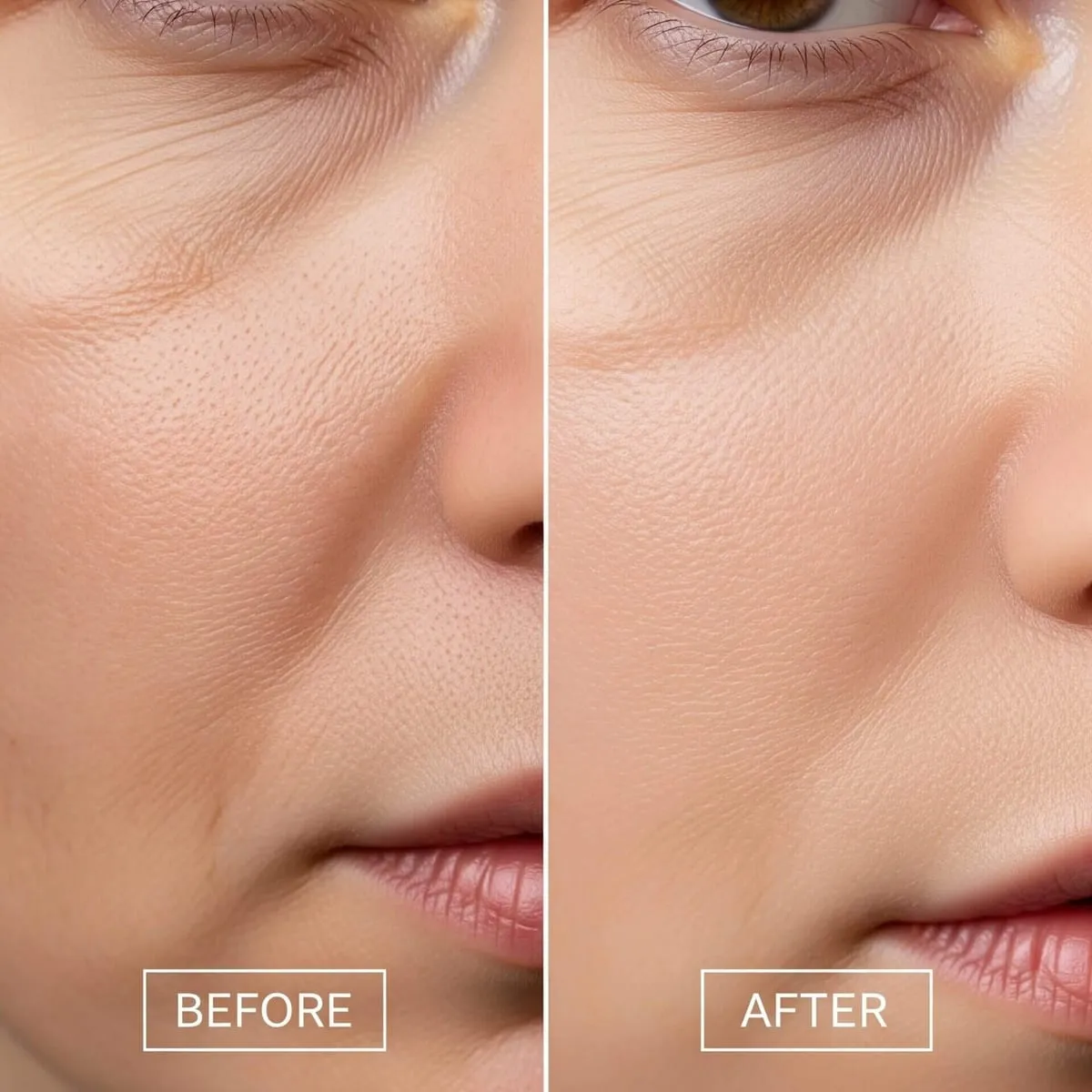
PDRN works in several ways, and this gives many good effects for the skin.
Its main strength is that it can boost activity in cells and help with new growth. Here are the key benefits of adding PDRN to your skincare routine:
Skin Repair and Regeneration
PDRN helps boost cell turnover and tissue repair. This makes it very good for fixing damaged skin.
This is especially good for people who are recovering after face or body treatments. It also helps people who have weaker skin barriers.
Anti-Aging Power
PDRN helps the body make more collagen and elastin. This makes the skin feel more firm and flexible, and it helps lower the look of fine lines and wrinkles. This helps skin look younger and feel soft.
For those who want to fight the signs of aging further, Dermal Fillers and Laser Skin Resurfacing at Medrein Health & Aesthetics can help boost collagen synthesis and make skin texture feel and look better.
Enhanced Hydration and Barrier Strengthening
PDRN helps improve how the skin holds in moisture, and it makes the skin’s protective barrier stronger. A strong skin barrier helps protect skin from outside irritants and keeps it from losing water.
Anti-Inflammatory and Soothing Effects
PDRN has natural properties that help calm the skin. It can lower redness and stop skin from feeling irritated, which is good for sensitive skin and for skin right after a treatment.
Improved Skin Tone and Texture
Consistent use of PDRN can help make skin tone look more even and give skin a smoother feel. It can also help with concerns like hyperpigmentation.
What’s the Difference Between PDRN and Polynucleotides?
Many people use PDRN and polynucleotides from salmon sperm interchangeably, but they are not the same. They are related, not identical.
Polynucleotides, or PN, are a group of natural molecules found in the body; DNA and RNA are both part of this group. PDRN is one type of polynucleotide, a piece of DNA with a set size.
Think of it this way: every PDRN is a polynucleotide, but not every polynucleotide is a PDRN.
The way PDRN is built at the molecular level is what makes it special, and that is what helps it support healing and new growth in the body.
PDRN Injectables vs. Topical Formulas: How Do They Differ?
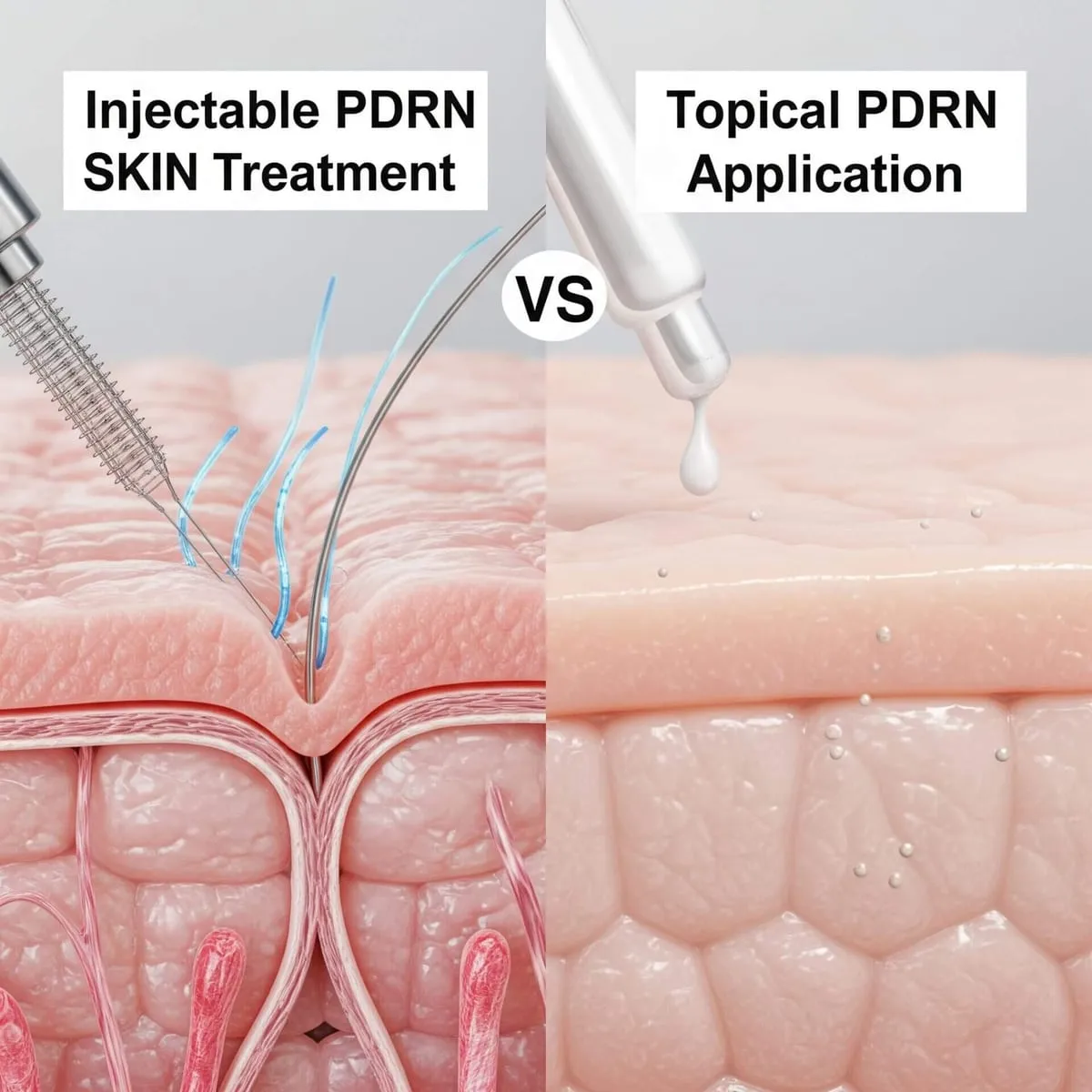
| Feature | Injectable PDRN | Topical PDRN |
|---|---|---|
| How it's delivered | Injected into the upper layers of skin, in-office | Applied at home as a serum, cream, or essence |
| Depth reached | Reaches deeper, working directly on repair cells like fibroblasts | Limited by the PDRN molecule's larger size, unless the formula uses a delivery technology like encapsulation |
| Speed of results | Faster and more pronounced. Results may vary. | Gradual, with consistent daily use over weeks to months. Results may vary. |
PDRN Injectables
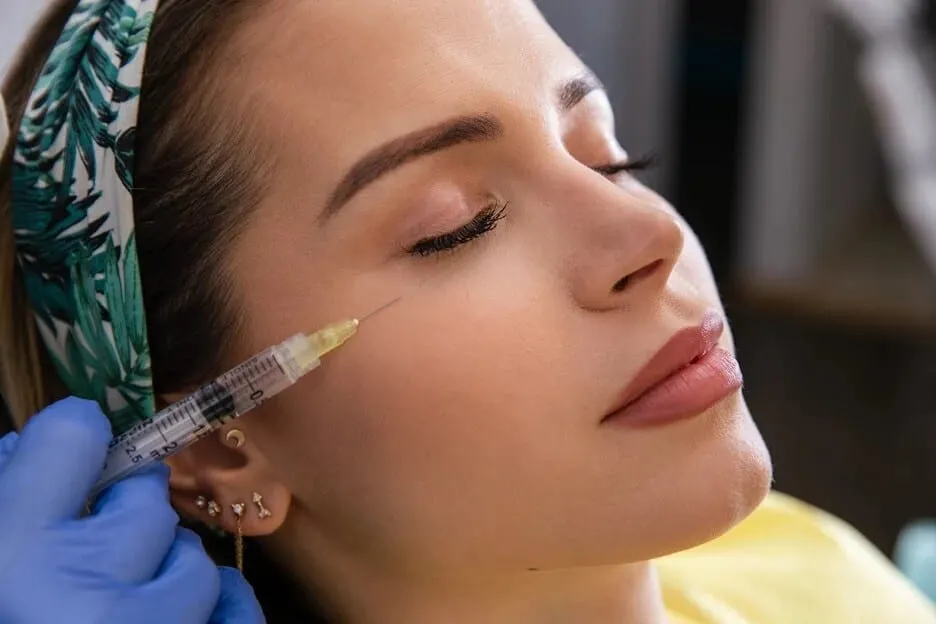
These treatments are called “PDRN skin boosters” or “salmon DNA facials.” They work by injecting PDRN into the upper layers of the skin.
This method lets PDRN reach deeper into the skin, which is why results may appear faster and more pronounced. PDRN reaches the cells that help repair skin, like fibroblasts, directly. Results may vary.
In-office treatments like Microneedling with PRP/PRF can help boost results by creating tiny channels in the skin so products can reach deeper.
Topical PDRN Formulas
PDRN is now used more in serums, creams, and essences, but it can be harder for skin to absorb because PDRN molecules are larger than most. How well a topical PDRN product works depends on its formulation, including whether it uses a delivery technology like encapsulation.
While topical PDRN may take more time to show results than injectables, consistent use can still help skin look and feel better over time. Results may vary.
Combining topical PDRN with treatments like Facials can make the benefits even greater.
Is PDRN Safe? Are There Any Contraindications?
PDRN is well-tolerated by most people. A lot of clinical studies and use in practice show it works well, especially medical-grade PDRN sourced from pure salmon.
However, as with any skincare ingredient or treatment, there are some things to keep in mind:
Fish Allergies
Since PDRN products often come from salmon, people with a fish or seafood allergy should not use PDRN products or get PDRN treatments.
Pregnancy and Breastfeeding
There is not much research yet on PDRN’s safety during pregnancy or breastfeeding. If you are pregnant or nursing, talk with a physician before you use PDRN.
Active Skin Conditions
PDRN can help with healing, but it should not be used on skin with active acne, open wounds, or an infection. Talk to a dermatologist or aesthetician if you have questions.
Autoimmune Conditions
People with autoimmune conditions should talk to a physician before starting PDRN treatment.
How Long Does It Take to See Results?
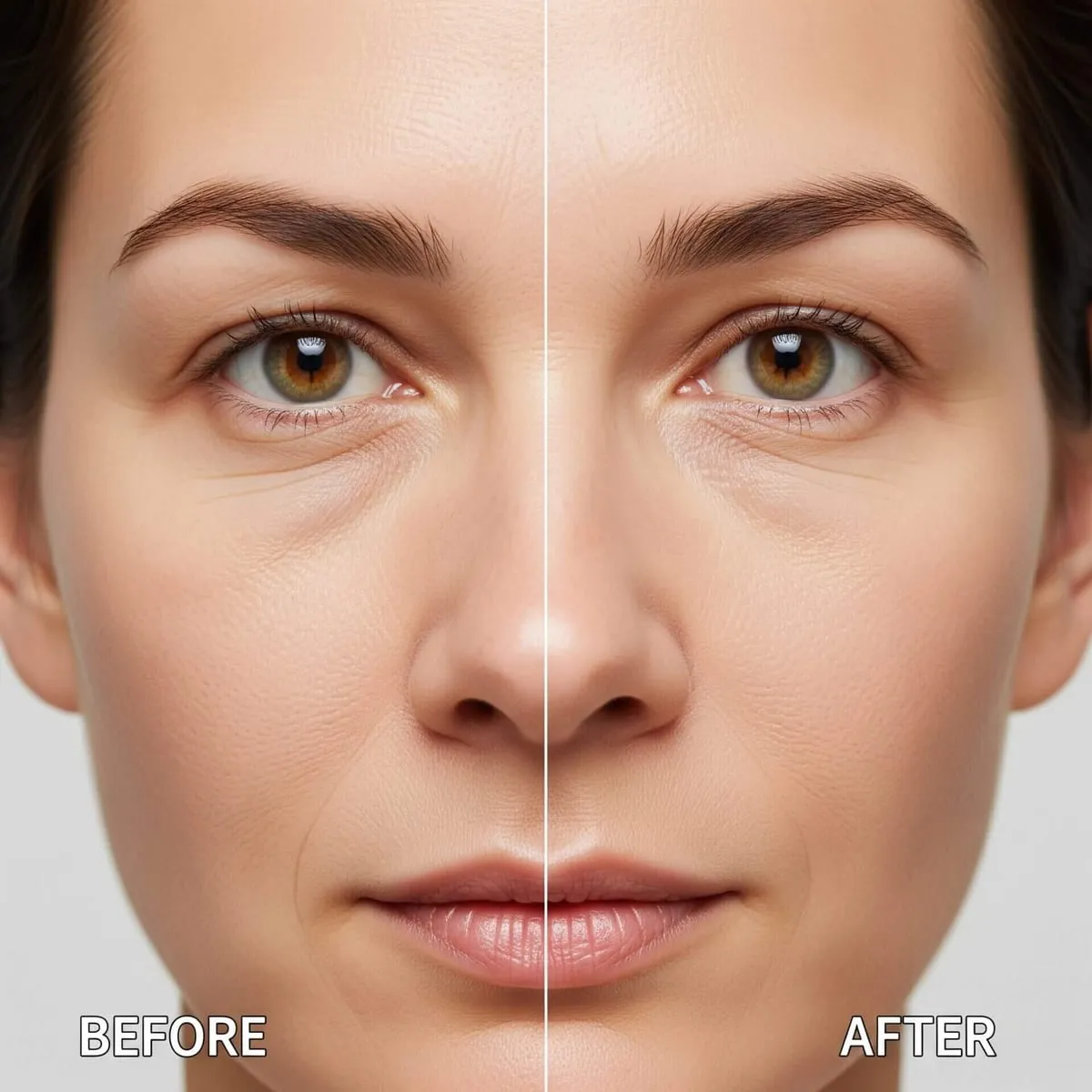
The time it takes to see results with PDRN skincare can differ for each person, depending on how it is used and the skin concern being addressed.
Timelines above are general guidelines from reported use. Results may vary.
Injectable PDRN
For in-office injectable treatments, clearly better skin is often reported in about 3 to 4 weeks, with the best results usually showing after about 3 to 4 sessions. Results may vary.
Topical PDRN
With topical PDRN products, results tend to be slower. You need to use it every day for a few weeks or months to see changes. Over time, skin can look and feel more hydrated, smooth, and bright as the benefits build up. Results may vary.
Who Should Use Topical PDRN Skincare Products?
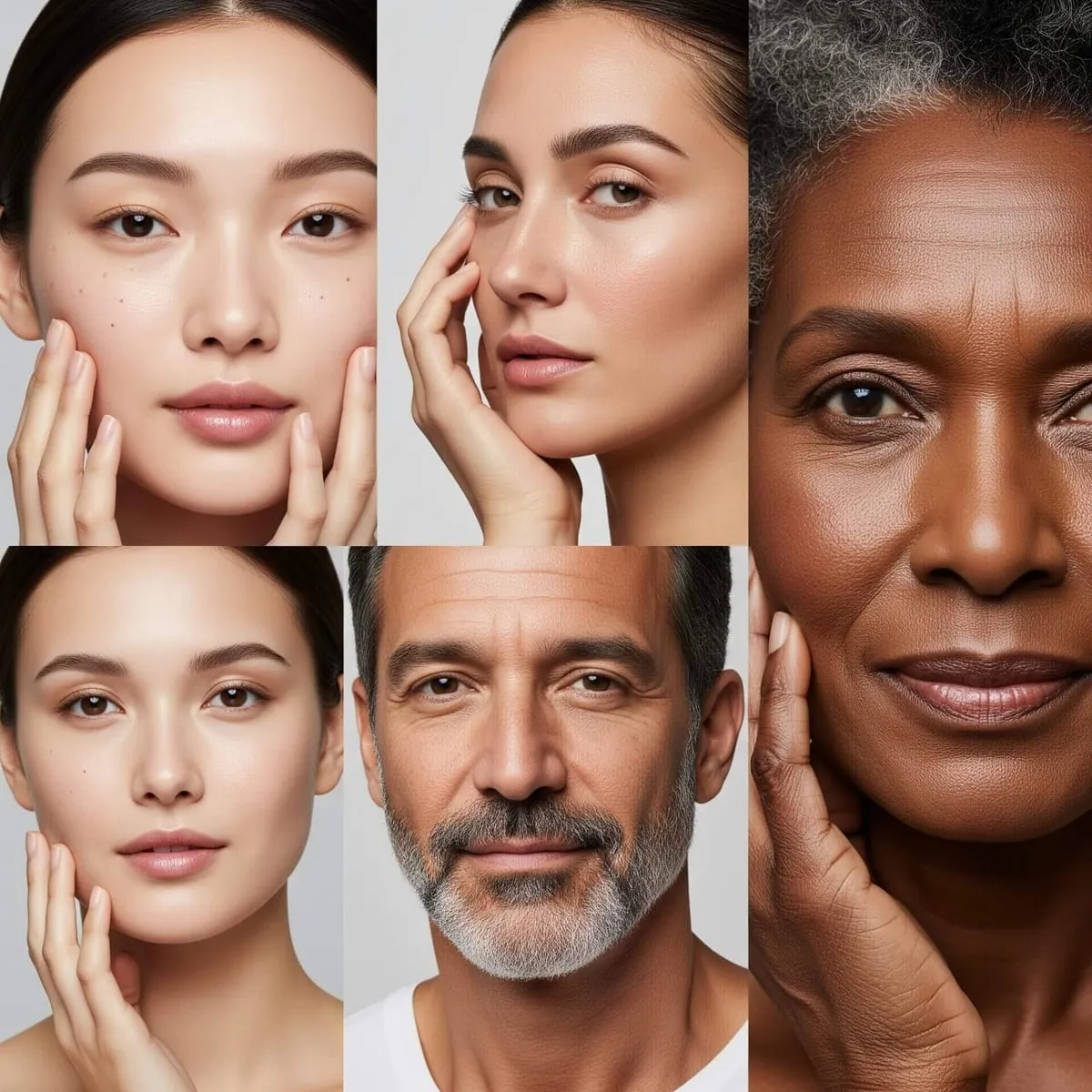
PDRN works well for many skin types and concerns. Some people think it is only for anti-aging, but it is not just for older skin.
PDRN is a good choice for people who want to address:
- Signs of Aging: Fine lines and wrinkles, and skin that feels less firm and looks dull.
- Compromised Skin Barrier: Skin that feels dry, sensitive, or gets irritated quickly.
- Post-Procedure Recovery: Speeding up healing after treatments like chemical peels, laser therapies, or microneedling.
- Dehydrated Skin: Helping skin hold more water so it looks plump and soft.
- Uneven Skin Tone and Texture: Helping skin feel smoother and look brighter.
It can be a good fit for people roughly 25 to 50 years old, when natural collagen production starts to slow. It can also suit younger people who want a “glass skin” look and more radiance.
How to Incorporate PDRN into Your Skincare Routine?
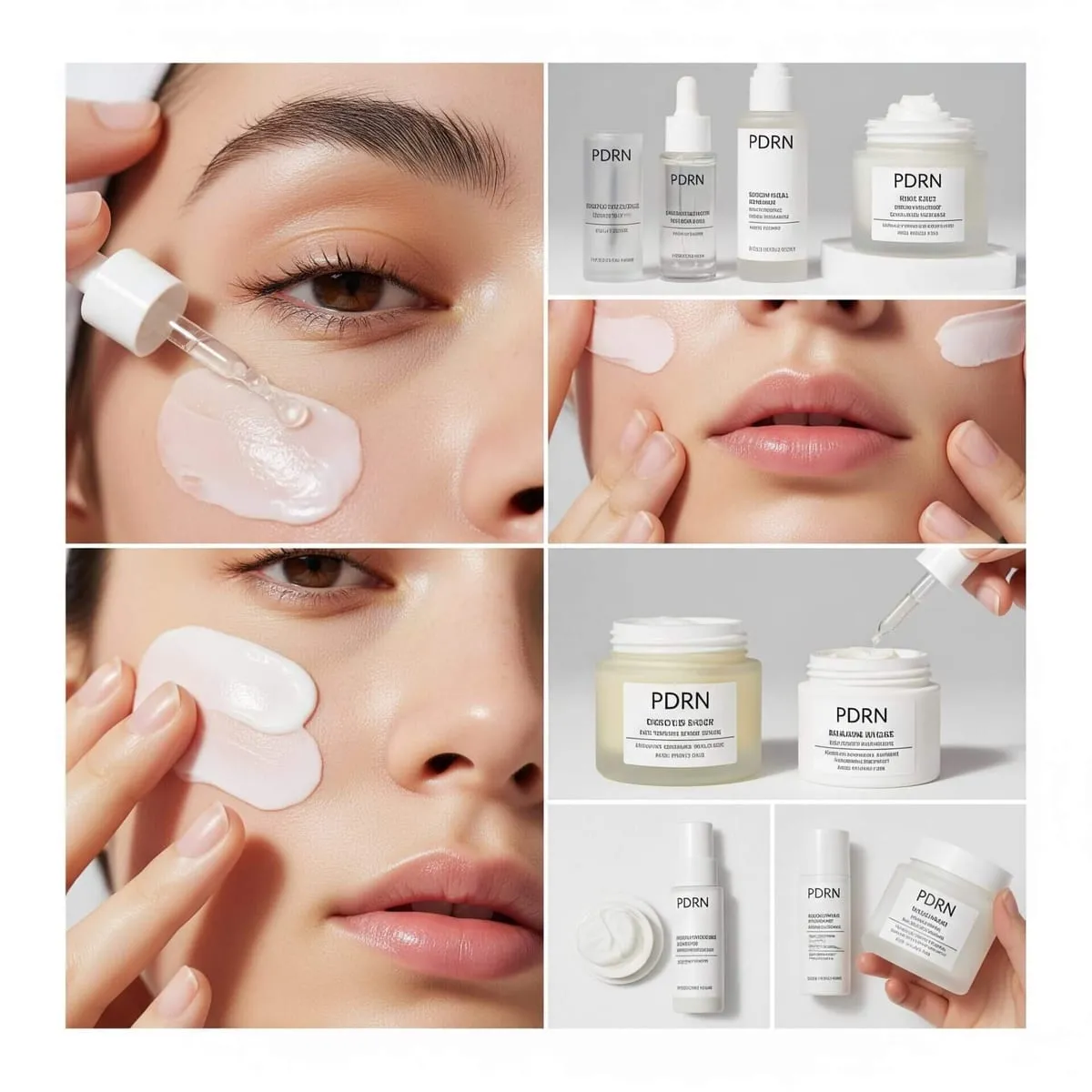
When you start using PDRN, especially with creams or serums, it is best to go slow. A gradual approach helps skin adjust.
Start Slowly
Use a PDRN serum or cream just a few times a week at first, and increase frequency as your skin gets used to it.
Layering
Apply PDRN products right after cleansing and toning, and before a thicker cream or sunscreen.
Combine with Other Actives
PDRN works well alongside hyaluronic acid, peptides, vitamin C, and growth factors, which can help it absorb and perform better.
Consider Professional Treatments
For faster or stronger results, or for deeper lines and more visible skin damage, ask about professional PDRN injectable treatments or pairing topical PDRN with in-office Microneedling.
Knowing the science and benefits of PDRN can help you decide if this ingredient is right for your skin goals, whether that is supporting collagen production or a stronger skin barrier.
Always talk with a skincare expert. A consultation helps confirm the right routine for your skin and goals.
What Are the Different Types of PDRN Skincare Products?
PDRN skincare products, like Medicube PDRN, come in different forms, and each one is made to help skin in its own way. Here is a quick look at the types available now.
| Product Type | Description | Key Benefits |
|---|---|---|
| Injectable PDRN | Given with a syringe, right into the layers of the skin. | Quick results with better absorption and repair. |
| Topical PDRN Serums | Formulated as serums or creams for daily use on the skin. | Slow, steady changes in skin texture and hydration. |
| Sheet Masks | Masks infused with PDRN for concentrated, short-duration care. | Enhanced hydration and soothing effects. |
| Microneedling Serums | Formulated for use with microneedling devices. | Increases penetration and effectiveness of PDRN. |
These products are made for many skin types and needs, so you can pick what works best for your routine.
Serums, Creams, and Masks Overview
PDRN shows up in a lot of different products, including serums, creams, and masks, each with its own strengths.
Serums are concentrated blends that bring PDRN right to the skin. They help boost hydration and support collagen production, which is good if you want to add something new to your routine without anything invasive.
Creams add more moisture and protect the skin barrier, and are good for dry skin types that need more moisture. Most also include other regenerative ingredients that make them work even better.
Masks with PDRN are a good choice for extra moisture and a refreshed feel. They stay on the skin long enough to let PDRN work, and with regular use skin texture can feel better and look brighter.
How to Choose a Quality PDRN Product?
When choosing PDRN products, check the concentration of PDRN molecules, since this affects how well a product works for your skin’s needs. Look for products with PDRN concentrations in the range of 0.5% to 2%, a level known to provide real benefit.
Also consider whether the product includes other supportive ingredients, like hyaluronic acid and peptides, which can help PDRN work better and absorb more deeply as part of your Korean skincare routine. Look for products that use a modern delivery method, such as nano-encapsulation, to help the ingredients reach deeper into skin. It is also worth checking whether a brand is transparent about where its PDRN comes from. Reliable brands disclose their sourcing and confirm it is handled safely and correctly. Following these steps can help you choose a PDRN product that supports your skincare goals with confidence.
Understanding PDRN’s science and benefits can help you decide if this ingredient belongs in your routine, whether the goal is supporting collagen production or getting healthier-looking skin.
Talk with a skincare expert to find a routine that fits your skin and your goals. Find your own answers at Medrein Health & Aesthetics: Dr. Mikki leads our team with the latest treatments, tailored to what you need. Book a consultation to see if PDRN is right for your skincare routine.

About the author
Founder & Medical Director
Board-certified physician and founder of Medrein Health & Aesthetics in Southlake, and the physician who personally consults with you and performs most treatments herself.
Read full bio →Related Articles
Best Skin Rejuvenation Treatments for Mature Skin: Our Complete Guide
Best skin rejuvenation treatments for mature skin at Medrein Health in Southlake, TX. Physician-guided options for tone, texture, and volume restoration.
How Much Does a Chemical Peel Cost? Your Guide!
How much does a chemical peel cost by type? See pricing by peel depth, the factors that move it, and insurance rules from Medrein Health in Southlake, TX.

Achieving the Elusive Korean Glass Skin: Your Ultimate Guide
Achieve Korean glass skin with a step-by-step routine, the key ingredients that help most, and professional treatments that support a smoother, hydrated glow.