PIH & Hyperpigmentation Treatment in Southlake, TX
Post-inflammatory marks are the pigment acne leaves behind after it heals. A Fotona StarWalker Picolaser targets that pigment in Southlake, TX.
- Google 4.8★
- Yelp 5.0★
The mark stays after the blemish is gone
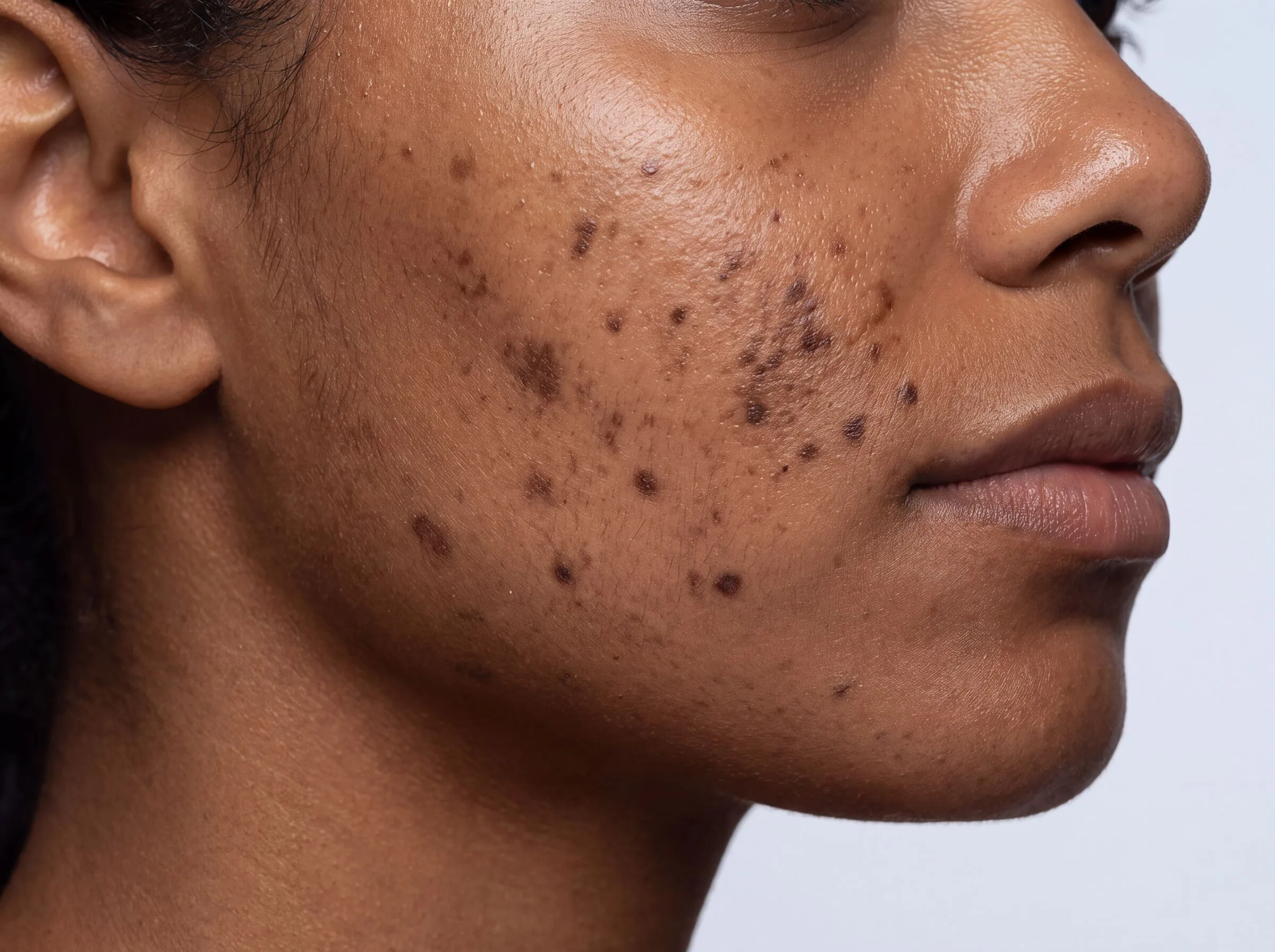
Post-inflammatory hyperpigmentation is the flat brown mark left after acne or an injury heals, and it is more common on darker skin. The Picolaser targets that pigment with picosecond pulses that pass less heat into the skin. Because it can resemble other concerns, Dr. Mikki confirms whether it is PIH or melasma before recommending anything.
Four things that shape pigment treatment
The pigment conditions treated here
"Hyperpigmentation" is a category that covers several different concerns, on the face and on the body. Which one you have decides the treatment, because melasma and a sun spot do not respond to the same approach. Dr. Mikki names the pigment, and the area it sits on, before choosing a tool.
Post-inflammatory and hormonal pigment
Pigment the skin made in response to inflammation, injury or a hormonal shift.
-
Post-acne hyperpigmentation (PIH)
The dark marks left behind after acne breakouts, injury or irritation heal, faded toward the tone around them.
-
Melasma
Dark, irregular patches often triggered by hormonal changes and sun exposure.
-
Acne scars
The textural marks acne leaves behind, treated alongside the pigment.
-
Dark scars
The darkened marks an injury or a surgery leaves behind, reduced in how strongly they read.
-
Dark circles around the eyes
Stubborn under-eye pigmentation, lightened in the thin skin there for a more rested look.
-
Uneven skin tone
Blotchy, patchy color across a whole area instead of one discrete mark.
Sun-driven and congenital pigment
Pigment laid down by UV over years, or present from the start.
-
Sun spots and sun damage
Discrete brown marks, and the broader mottled tone cumulative UV exposure leaves behind.
-
Age spots
The same UV mechanism, showing up later in life.
-
Freckles
Treated as pigment once Dr. Mikki has confirmed the pattern.
-
Birthmarks
Assessed one at a time, since depth and type vary.
Skin lightening, face and body
Even tone across a whole area is the goal here, on the face and below it.
-
Skin lightening and skin brightening
Overall tone across an area, evened and brightened as its own goal.
-
Underarm lightening
The pigment that builds up from shaving, deodorants and friction.
-
Elbows and knees lightening
Darkened, roughened skin over the joints, where tone and texture are worked on together.
-
Vaginal lightening and bleaching
Hyperpigmentation in intimate areas, treated for a more even tone. Candidacy and comfort are settled at consultation.
Sun damage treatment: what UV leaves behind
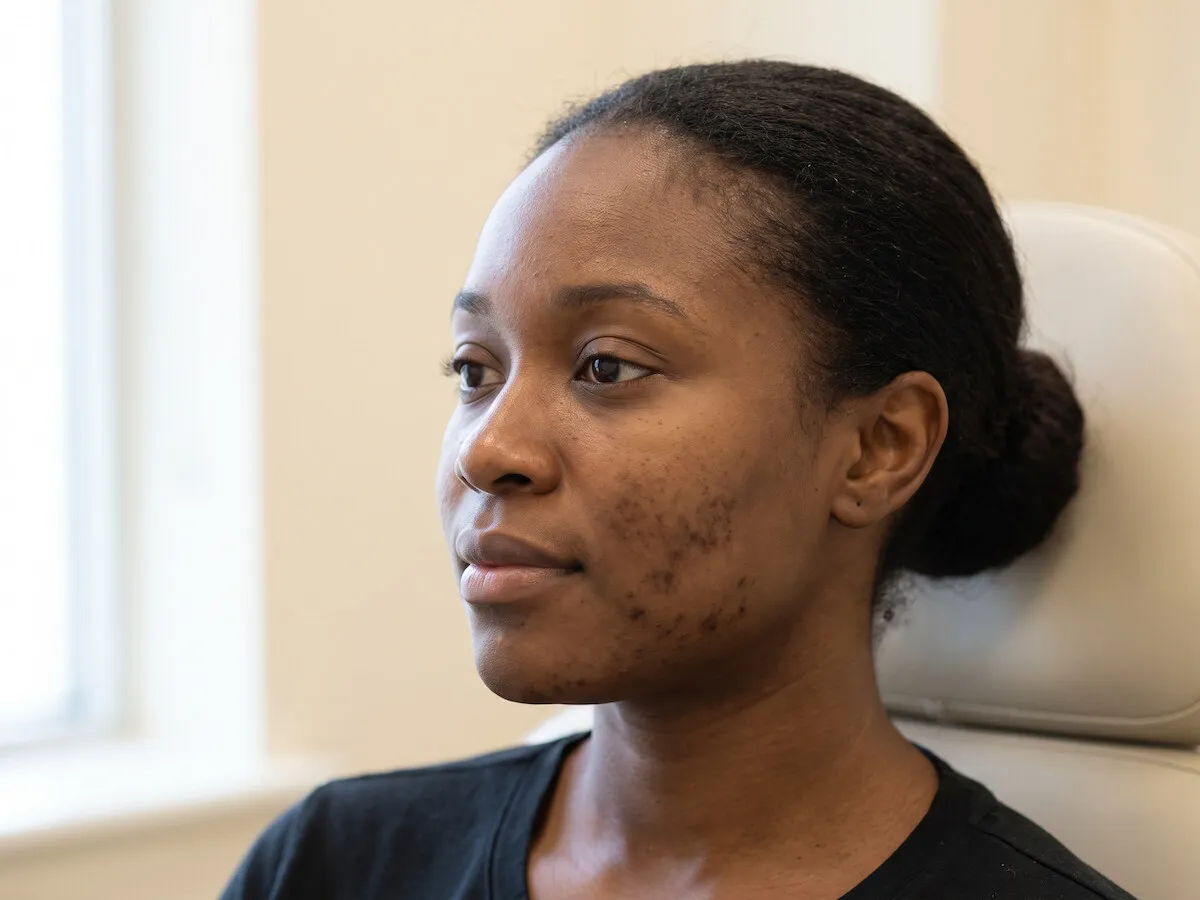
Sun damage is extra melanin the skin lays down after years of UV exposure, and it reads as blotchy tone and a dull, mottled surface rather than as one clear mark. Color rarely arrives on its own here, which is why texture is treated in the same plan. When the marks are discrete and well defined instead, a sun spots approach may fit better, and Dr. Mikki makes that call at consultation.
Beyond the color
What sun exposure does to the surface alongside the pigment.
-
Uneven tone and dullness
Years of UV scatter extra melanin across the cheeks and forehead, so tone reads blotchy across a whole area rather than spotted.
-
Fine lines
Softened as the deeper resurfacing pass raises collagen production, which is what that pass is aimed at.
-
Aging signs
Addressed alongside the spots, while the underlying tissue is relaxed.
-
Enlarged pores
Addressed alongside the pigment, usually with a peel or with microneedling.
-
Discolored spots
Treated as part of a chemical peel plan where a peel is the right first move.

How Medrein treats pigment
Dr. Mikki works from a range of tools and is specific about which ones suit which skin. The Picolaser is the default here. Microneedling and Chemical Peels are used where they fit better.
What a hyperpigmentation plan looks like
Find what is driving the pigment
Dr. Mikki works out whether the pigment is post-inflammatory, hormonal, sun-driven or something else. That answer decides the treatment, because melasma and a sun spot do not respond to the same approach.
Settle the cause first
Lasering pigment while acne is still active only invites new marks as fresh breakouts heal. Where a driver is still running, it is treated first and the pigment work is sequenced behind it.
The PicoGenesis pass
The StarWalker delivers picosecond pulses that fracture pigment without transferring much heat into the surrounding skin. Downtime after a session is minimal.
The course, and holding it
Most patients need 2 to 4 sessions. Sun protection is part of the plan: protective clothing and limiting sun exposure lessen how severe new marks are and help hold what you have gained.
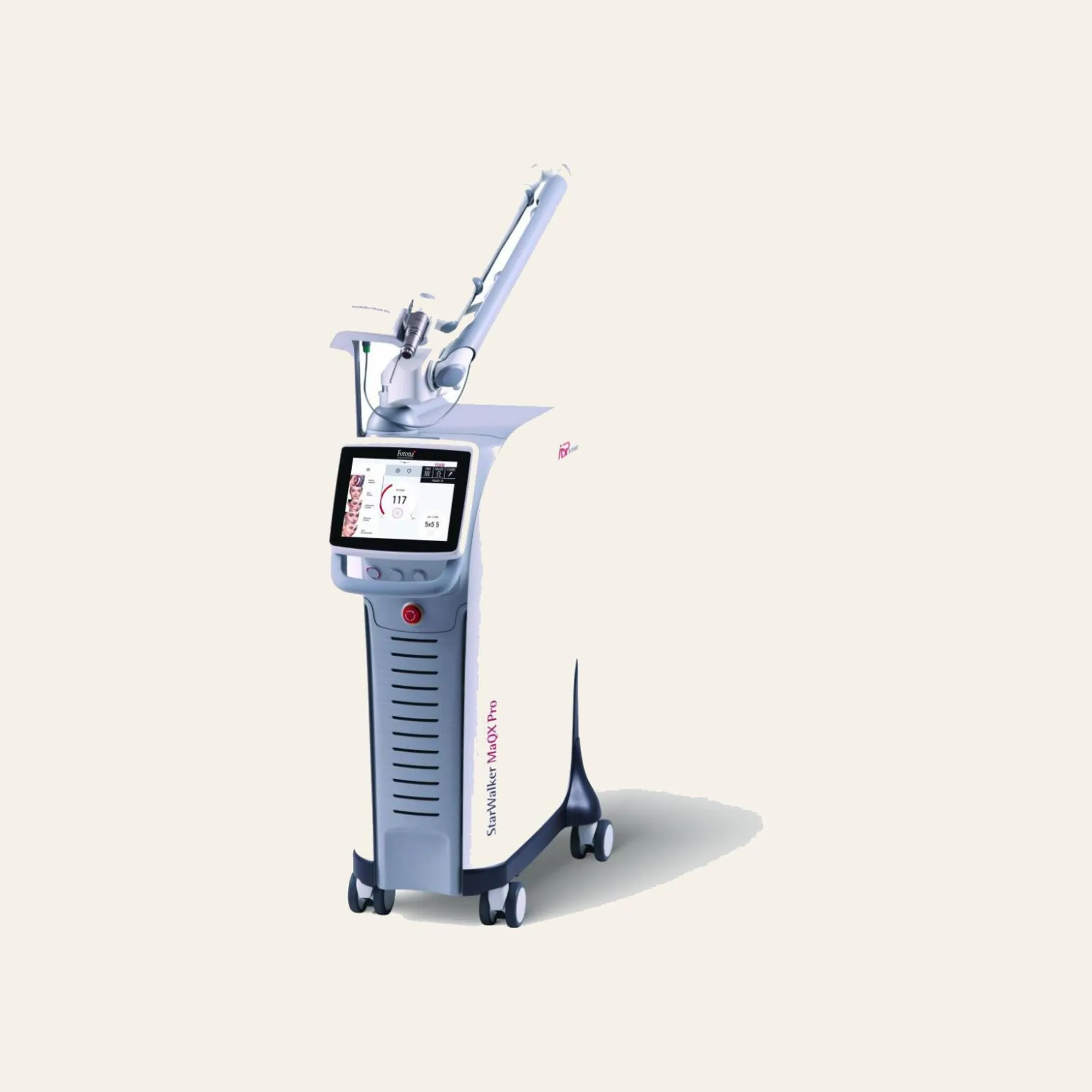
Why a picosecond laser is the practice's first choice
- Energy arrives in picoseconds, so the pulse is over before much heat can spread.
- The pulse is precise enough to fracture pigment and leave the skin around it alone.
- Collagen is stimulated in the same pass as the pigment work.
- Downtime after a session is minimal.
- It is used across a wide range of skin tones, including the tones most prone to PIH.
What the Picolaser can and cannot do
What makes it safe for your skin
- Dr. Mikki matches the laser setting to your skin type and your pigment before the first pass.
- Where acne or another driver is still active, that is treated first so new marks do not form.
- The practice’s skin-lightening treatments raise collagen and elastin while reducing melanin production.
- Dr. Mikki is a board-certified physician and sets every plan herself.
- Numbing cream or spray is used where skin is sensitive, since a pass can feel like burning or pinching.
- All of the practice’s pigment procedures are FDA-approved.
What no one can promise you
- PIH can take anywhere from three months to two years to resolve, depending on the size and darkness of the area.
- Fresh spots can appear, and PIH can come back after fading.
- PIH cannot be prevented outright. Sun protection lessens how severe new marks are.
- At-home depigmentation remedies vary greatly in how well they work, especially over a larger area.
- Cost depends on the pigment and the course, so Dr. Mikki quotes it at your consultation.
- Short-term swelling, redness and burning in the treated area settle within a few days.
- Sun exposure after treatment lays new pigment down, so protection is part of the plan.
Who pigment treatment is for
Whatever laid the pigment down, UV or inflammation, it is treated here. Dr. Mikki will tell you when your concern belongs somewhere else: sun spots when the marks are discrete and well defined, or panda eyes when the darkness sits under the eye.
A good fit
- Old acne, injury or irritation has healed and left dark marks behind.
- You have melasma, sun spots, age spots or freckles you want treated as pigment.
- The tone you want evened is on the body: underarms, elbows and knees, or an intimate area.
- A dark scar from an old injury or a surgery is what you want lightened.
- Blotchy, uneven tone across an area from years of sun, not one isolated mark.
- Fine lines and aging signs you want addressed alongside the color.
- Your skin is darker or pigment-prone, which is where picosecond delivery matters most.
- You can commit to a course: usually 2 to 4 sessions on the face, 3 to 5 on body areas.
- Sun protection afterward is something you will keep up.
Not the right treatment
- Your acne is still actively breaking out, which is treated first.
- You want certainty about the outcome, when fresh spots can appear and PIH can return.
- You need a fast result, when PIH can take months to years to fully resolve.
- Your under-eye darkness turns out to be a hollow or a vascular cause instead of pigment.
- Any mark that is changing in size, shape or color, which needs a dermatologist first.
- Heavy sun exposure you intend to keep up, which lays the pigment back down.
Before you book, three things worth knowing
Hyperpigmentation differs in every person, so cost depends on the pigment and the course. Ask for a quote at your consultation. Most patients need 2 to 4 sessions. And sun protection is part of the treatment: it will not prevent PIH outright, but careful use lessens how severe new marks are. Individual results vary.
Dr. Mikki looks at your skin under good light and names the type of pigment. You leave knowing whether the Picolaser is the right tool and what a realistic course looks like.
Before and after
Each pair holds one area of pigment before treatment beside the same view after a course of it. Two cases, one on the face and one on the neck and chest, and individual results vary.
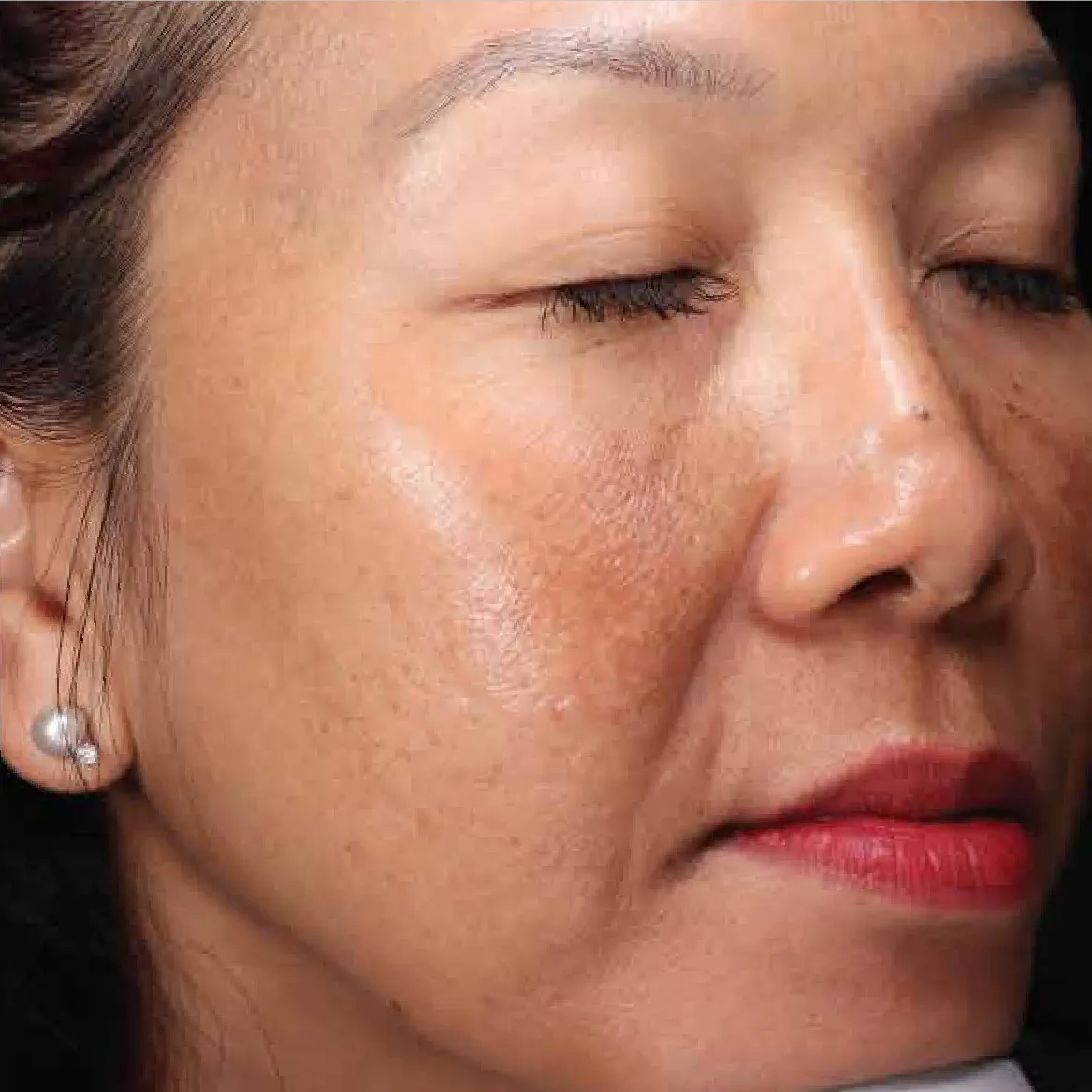
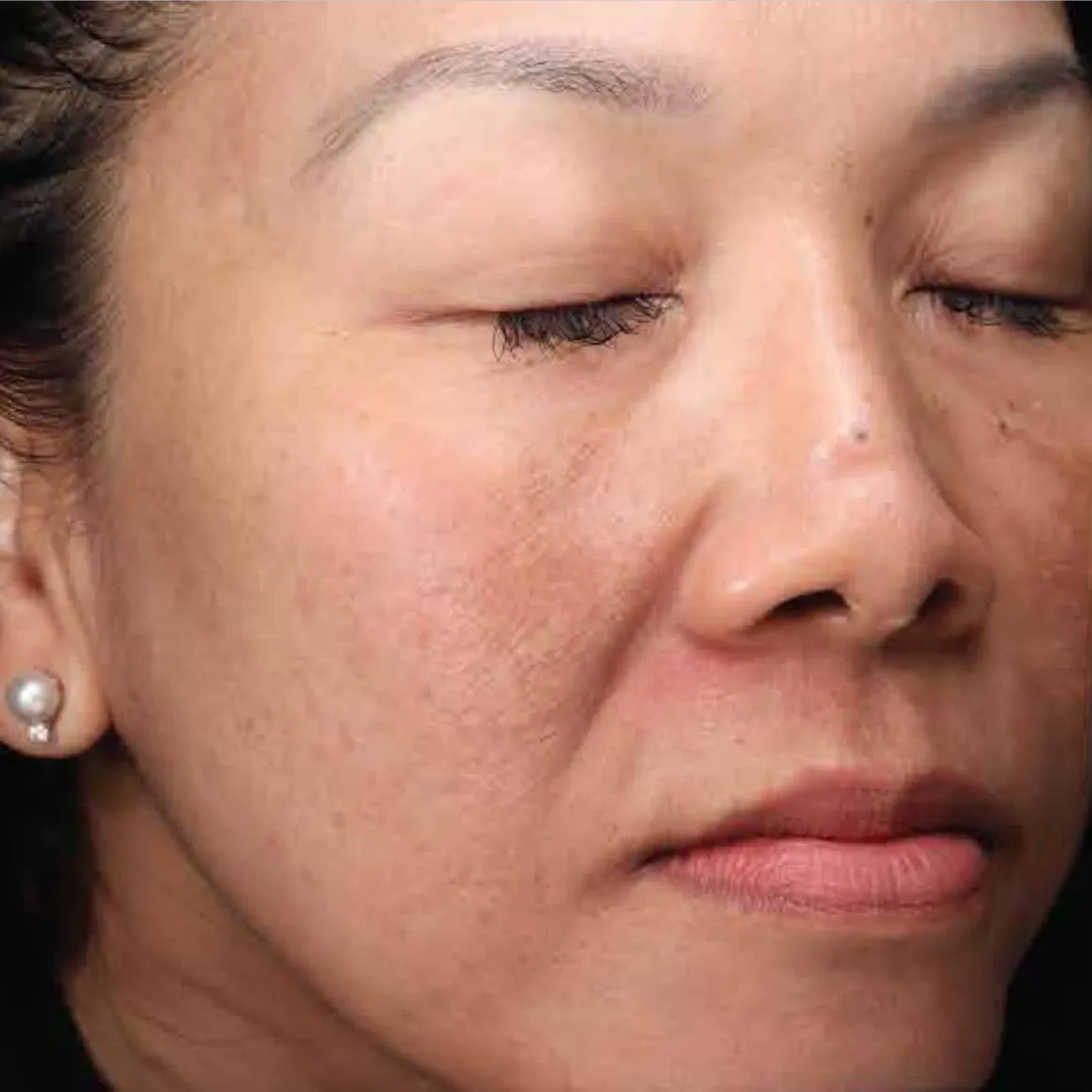
Brown pigment gathered across the cheek and temple, breaking up the tone down one side of the face.
Two treatments, photographed 5 months on
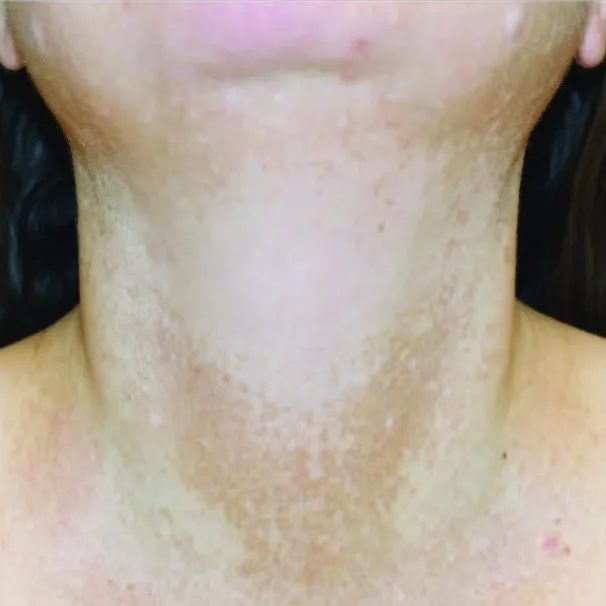
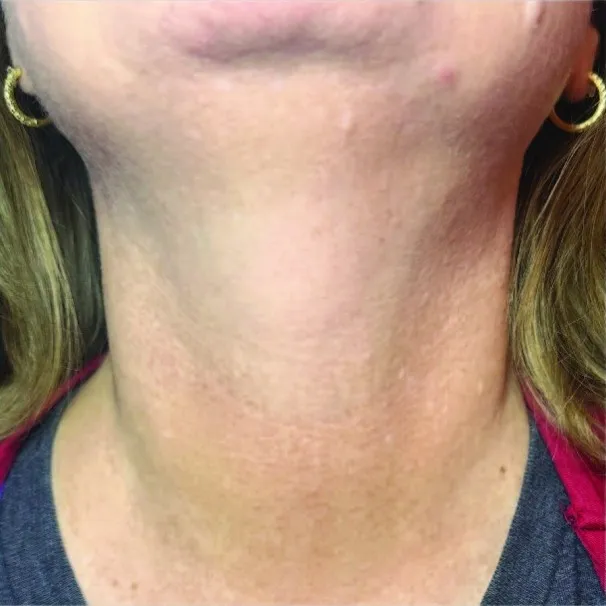
Mottled brown discolouration across the lower neck and collarbones, the pattern years of sun leaves below the jaw.
Four treatments, photographed 1 year on
Individual results vary. At your consultation Dr. Mikki pulls the cases that match your skin type and your pattern of pigment, and the photo gallery holds every case the practice publishes.
What a Picolaser does that a cream cannot
A fade cream works slowly on pigment that has already reached the surface. The Picolaser breaks up pigment deeper in the skin, using pulses too short to spread much heat. That matters on the skin tones most prone to PIH, where the heat an older laser carries can leave new marks of its own.
| Feature | Picolaser (Medrein) | Fade Creams | Older Lasers |
|---|---|---|---|
| The pigment type is identified before treatment | Included | Not included | Varies |
| Less heat transferred to surrounding skin | Included | Included | Not included |
| Used across a range of skin tones | Included | Included | Varies |
| Sequenced with acne care when needed | Included | Not included | Not included |
Why patients want pigment treated in the right order
These illustrate common patient sentiment. They are not word-for-word quotes, and individual results vary.
The dark marks from old breakouts bothered me more than the acne ever did. Dr. Mikki explained they were post-inflammatory, not scars, and that we needed to settle the acne first or we would just make new ones. Results may vary, but the order she planned it in made sense, and I felt like she understood pigment on my skin tone.
Fifteen years in the Texas sun left my cheeks blotchy. Dr. Mikki explained it was sun damage, not melasma, which changed the plan.

Frequently asked questions
What is post-inflammatory hyperpigmentation?
Hyperpigmentation is any area where the skin makes excess melanin and reads darker than the skin around it. Post-inflammatory hyperpigmentation, or PIH, is a common type: the flat brown or tan marks left after acne, a rash, or an injury heals. The original blemish is gone, but the pigment it triggered remains.
How is PIH different from melasma?
PIH follows a specific inflammation, such as a healed pimple, and sits where that event happened. Melasma is diffuse and symmetrical, and it is driven by heat and hormones. Dr. Mikki confirms which one you have, since PIH and melasma call for different approaches.
Is the Picolaser safe for darker or brown skin?
Darker skin tones are more prone to PIH, so gentleness matters. Picosecond lasers transfer less heat to surrounding skin than older lasers, which is one reason picosecond platforms are used for pigment and darker skin. Candidacy is individual. Dr. Mikki assesses your skin type and history before recommending a laser or a setting.
Should I treat acne before treating the marks?
Usually, yes. Lasering pigment while acne is still active invites fresh marks as new breakouts heal, so the cause is settled first. Calming it is often part of a hyperpigmentation plan, and that sequencing is decided at consultation.
How many sessions does hyperpigmentation take?
Most plans use 2 to 4 sessions spaced a few weeks apart, with the number set at your consultation based on how deep the pigment sits. Results may vary by skin type and depth, and daily sun protection helps keep new marks from forming.
How long does post-inflammatory hyperpigmentation take to fade?
PIH can resolve on its own, but the timeline is hard to predict. It can take anywhere from three months to two years depending on the size and darkness of the discolored area. Fresh spots can also appear, and PIH can come back after fading. Treatment can shorten that timeline, and individual results vary.
Can hyperpigmentation be prevented?
Not completely. Careful sun protection lessens how severe new marks are: wearing protective clothing and limiting your time in the sun both help. That is why sun protection is part of the plan after treatment.
Do at-home depigmentation products work?
There are natural at-home remedies for depigmentation, but how well they work varies greatly. If your PIH is strong or covers a larger area, it is worth seeing a professional for the right course of action. The practice’s own skin-lightening treatments (topical creams, laser, Chemical Peels and glutathione antioxidants) are considered safe, because they raise collagen and elastin while reducing melanin production.
What does laser sun damage treatment actually treat?
It targets the pigment cumulative sun exposure leaves behind: uneven tone, brown patches, freckling, and the dull, mottled surface photoaging leaves on the cheeks, forehead, chest and hands. At Medrein Health that work is done on a genuine Fotona StarWalker Picolaser platform, not a gray-market device.
How is sun damage different from sun spots?
Sun damage is the broad picture: overall uneven tone and texture across a whole area. Sun spots are the discrete, well-defined brown marks within it. Many patients have both, so Dr. Mikki reviews your skin and decides whether a full-field or a spot-focused approach fits at consultation.
Will sun damage results last?
Treated pigment can fade, but new sun exposure creates new damage. Daily sun protection is what protects the result. Dr. Mikki discusses realistic maintenance and an honest timeline for your skin at consultation, without outcome guarantees.
What are the treatment options for sun damage?
There are several: laser therapy, Chemical Peels, microdermabrasion, and topical treatments with retinoids or antioxidants. Which one is right depends on how severe the damage is and on your skin type, which Dr. Mikki assesses before recommending anything. Cost depends on the treatment type and the number of sessions, so ask for a quote at consultation.
Do you treat hyperpigmentation on the body?
Yes. The underarms, elbows and knees, intimate areas, and dark scars left by an injury or a surgery are all treated here, alongside the facial work. The Fotona StarWalker runs two wavelengths, 532 nm at the surface and 1064 nm deeper, which is what lets one platform cover pigment that sits at different depths on different areas. Dr. Mikki confirms the area and the setting at your consultation.
Who is a candidate for intimate area lightening?
People who want a more even tone in intimate areas, where the darkening came from hormones, friction, sun or old marks. It is done without harsh bleaching chemicals, most people report minimal discomfort, and it is used across a wide range of skin tones. Redness and irritation afterward are temporary. Plans on body areas usually run 3 to 5 sessions six to eight weeks apart, and cost depends on the area and the course, so Dr. Mikki quotes it at consultation. Individual results vary.
What causes underarm, elbow and knee darkening?
On the underarms it is usually friction, shaving and deodorants irritating the skin, which leaves pigment behind the same way a healed blemish does. On elbows and knees it is a mix of pigment and roughened, thickened skin, so tone and texture are worked on together. Dr. Mikki confirms the cause before choosing between a laser, a peel and a topical.
How do I book a hyperpigmentation consultation?
Book a consultation online through our ProspyrMed scheduler, or call (214) 702-5225. Dr. Mikki examines your skin, identifies the type of pigment, and explains whether the Picolaser is the right tool before anything is scheduled.
Is the Picolaser right for your dark marks?
Dr. Mikki names the type of pigment and explains what is causing it. From there she sets a sequence your skin can actually hold.
4.8★ from 128 verified Google reviews