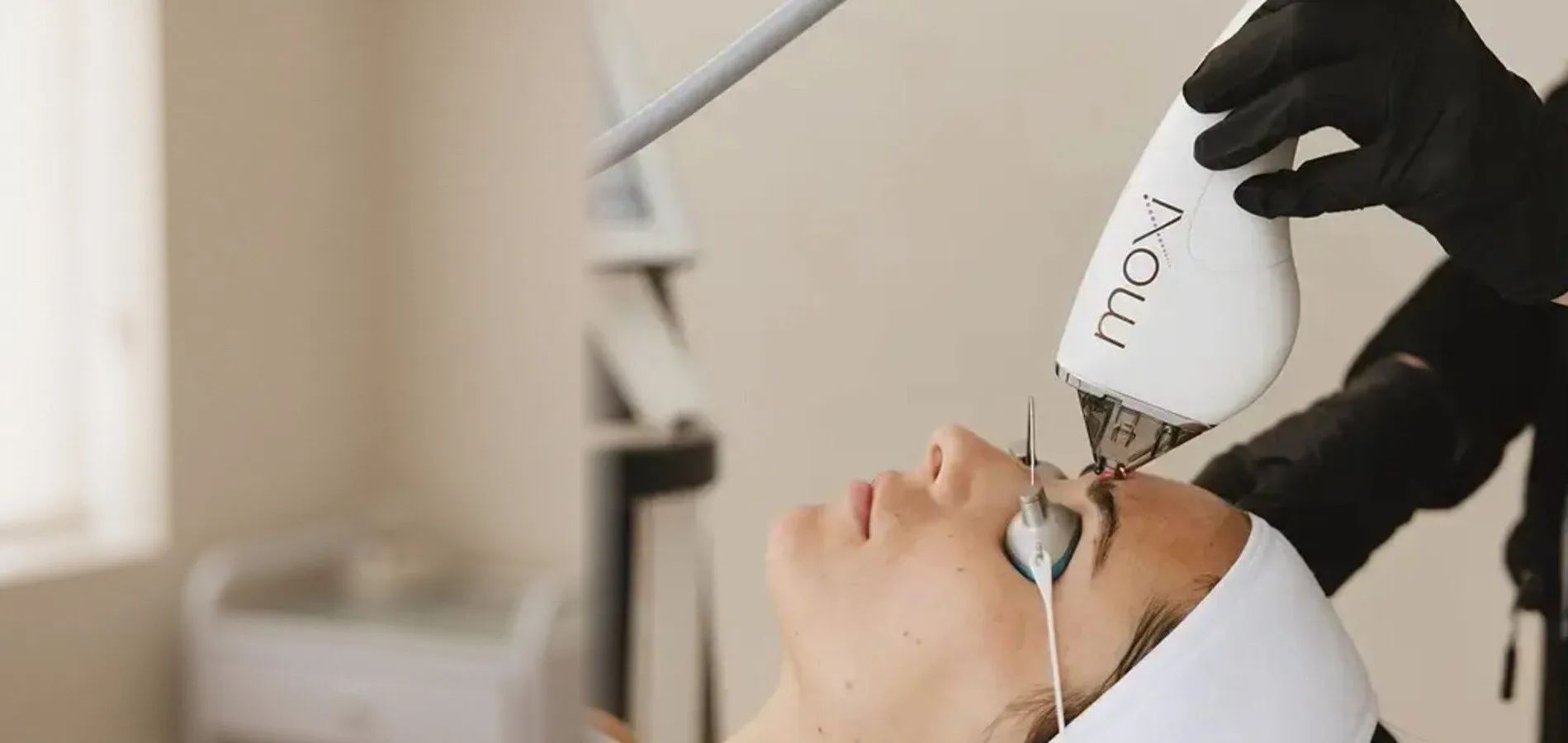
Sciton Moxi Laser for Early Sun Damage in Southlake, TX
Moxi is a non-ablative fractional laser on the Sciton platform, used to improve the appearance of uneven tone, dullness and early sun damage. A session runs 30 to 45 minutes.
- Google 4.8★
- Yelp 5.0★
A non-ablative first step in laser skin care
Moxi treats the skin in fractional columns and leaves the surface between them intact, which is why its recovery is shorter than ablative resurfacing. It is the laser Dr. Mikki often starts patients on within the Sciton lasers family, and it is intended for early sun damage, dullness and uneven tone rather than deep lines.
Where Moxi sits in your calendar is part of the decision, not an afterthought to it. The treatment is planned as a series you carry through the year rather than as a single appointment before an occasion, and how visible the days after are depends on the level Dr. Mikki sets. She sets it against what your week can absorb, lighter when you need to be in front of people quickly, higher when you have a few days to give it.
What Moxi does for the skin
What a Moxi session looks like
Consultation and skin typing
Dr. Mikki reviews your tone, your texture and your history, and decides whether Moxi is the appropriate treatment for your skin. She will tell you if another treatment may be more appropriate.
Numbing and cooling
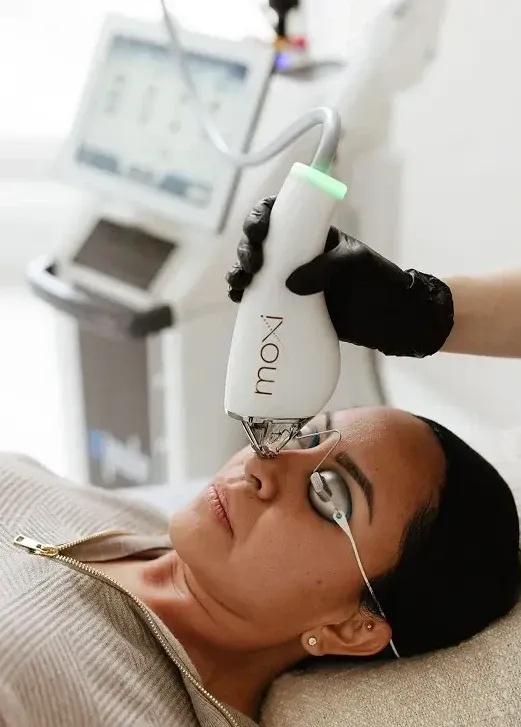
Comfort varies from person to person. Depending on the level of treatment, Dr. Mikki may apply a numbing cream beforehand and use cooling air through the handpiece during the pass.
The fractional pass
The handpiece delivers fractionated laser energy that creates microscopic coagulation zones in the skin. Only a fraction of the surface is treated, which is what keeps the recovery short.
Your skin repairs the zones
Over the following days the body repairs those zones, replacing damaged cells with fresh ones. That repair is where the tonal and textural improvement comes from.
Recovery and aftercare, day by day
What the days after look like
- The day after treatment, skin may look red, much like a mild sunburn.
- Small dots appear where the laser was applied. These are called MENDs.
- As the micro zones heal, the MENDs darken and the skin feels rough to the touch.
- Between days three and five the MENDs flake away as the surface finishes healing.
- How pronounced this is depends on the treatment level Dr. Mikki selects for you.
Simple Moxi post care
- Wear a moisturising physical sunscreen every day while the skin renews.
- Stay out of the sun while the skin is healing, and protect the treated area whenever you are outdoors.
- Makeup can go back on 24 hours after your treatment.
- No ablative recovery to plan around: the surface is never removed.
- Dr. Mikki sends you home with written aftercare instructions, including when to call the clinic.
Where Moxi fits among the Sciton lasers
Moxi is the lightest of the three resurfacing options. When pigment or redness is the main concern, BBL HEROic treats it with light instead. When texture and fine lines run deeper, Halo Tribrid reaches further at the cost of a few days of downtime.
| Feature | Moxi | BBL HEROic | Halo Tribrid |
|---|---|---|---|
| Fractional resurfacing for tone and texture | Included | Not included | Included |
| Treats pigment and redness with light | Some | Included | Some |
| Short downtime | Included | Included | Not included |
| First step or maintenance | Included | Some | Not included |
Moxi and BBL HEROic, run as one plan for the face and the body
The two treat different things, which is why Dr. Mikki often pairs them. Moxi corrects tone and texture through the repair of its coagulation zones; BBL HEROic targets the pigment, sun damage and age spots with intense pulsed light. Dr. Mikki typically plans three to four Moxi sessions alongside one to two BBL sessions.
The reach is the reason to run them together. Moxi is a facial treatment, while BroadBand Light can be taken to the chest, shoulders, arms and legs, which is where sun exposure usually shows up alongside the face rather than instead of it. Treating the face and leaving the décolleté behind is the mismatch the pairing exists to close.
What the pairing asks of you
Large areas treated in minutes, with little to no downtime.
Well tolerated with or without a numbing cream beforehand.
Simple post care: stay out of the sun and wear sunscreen.
Makeup back on 24 hours after the treatment.
Who Moxi is for
Dr. Mikki matches the device to where your skin actually is, and will name a different one when another treatment may be more appropriate. Halo resurfacing reaches deeper when texture and lines run beyond what Moxi treats, and the Picolaser suits pigment that needs a lower-thermal approach.
A good fit
- Early sun damage, dullness and uneven tone rather than deep, set-in damage.
- Wanting a first step in laser skin care without an ablative recovery.
- Able to allow several days for the redness and the MENDs to settle.
- Willing to have your skin type and history reviewed, since candidacy is confirmed at consultation.
- Willing to run three to four corrective sessions, then maintain through the year.
Not the right treatment
- Deep lines, acne scarring or heavy texture, where Halo Tribrid reaches further.
- Pigment or redness as the only concern, which BroadBand Light treats more directly.
- Recent sun exposure or an active tan in the treatment area.
- Wanting a single-session result, since Moxi corrects across a series.
Before you book, two things worth knowing
Moxi corrects across a series rather than in one visit. Dr. Mikki typically plans three to four corrective sessions followed by maintenance, and the number depends on your skin and your goals. The MENDs are expected too: the rough, darkened dots that appear before they flake away between days three and five are part of normal healing, not a complication.
Before and after
Each pair holds one concern before treatment beside the same view after Moxi. Most of these ran on a single session, which is fewer than the three to four corrective treatments Dr. Mikki plans for. Eleven cases, and individual results vary.
Scroll the row sideways for the rest.
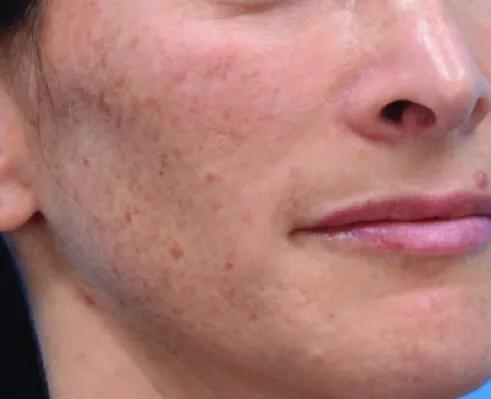
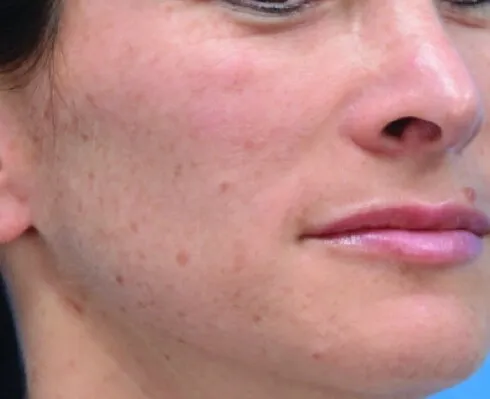
Dense freckling and small brown spots crowding the cheek and the jaw.
One treatment, photographed 1 month on
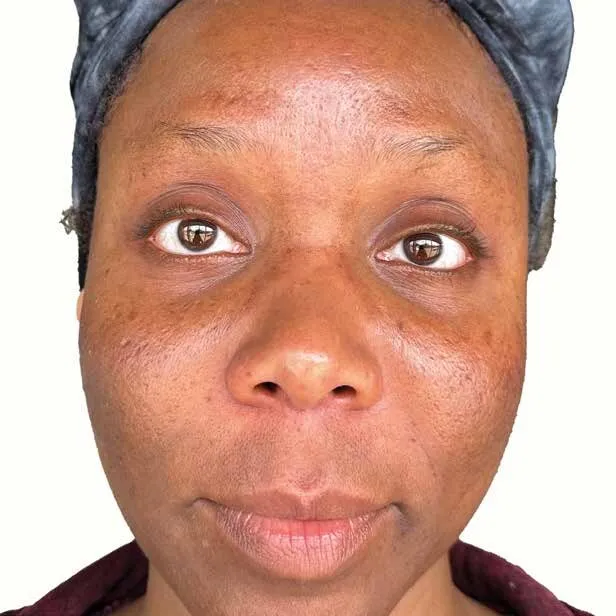
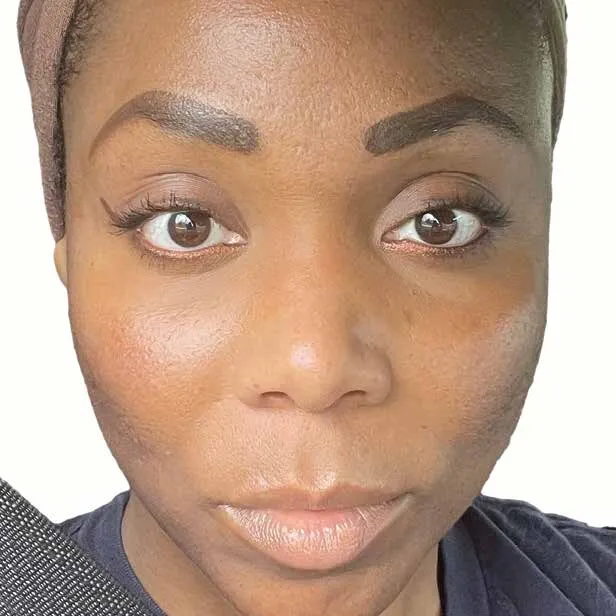
Dark spots and uneven pigment carried across the cheeks, nose and forehead.
One treatment, photographed 2 weeks on
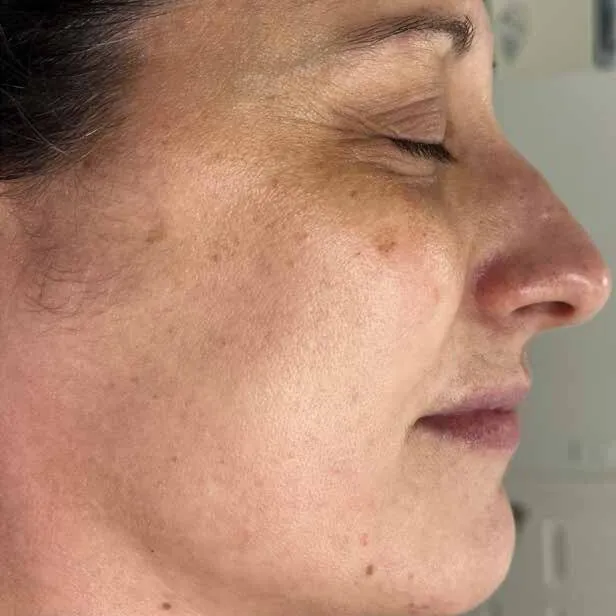
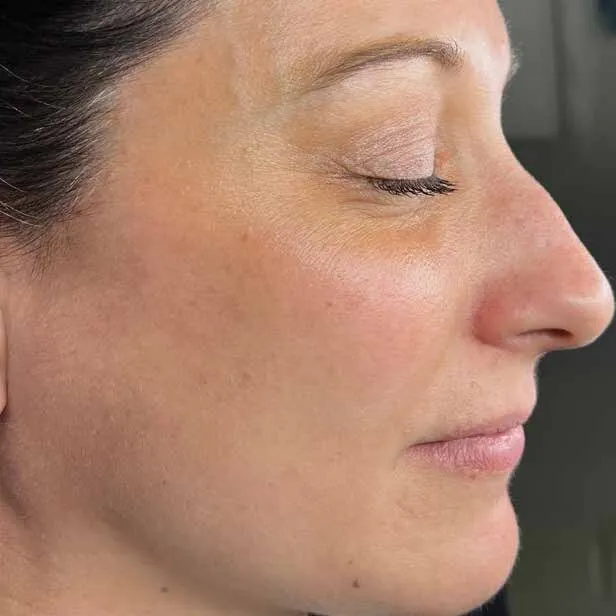
Brown sun spots running along the cheek and the temple.
One treatment, photographed 3 weeks on
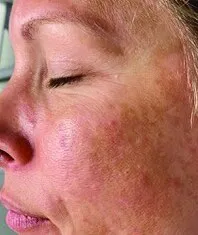
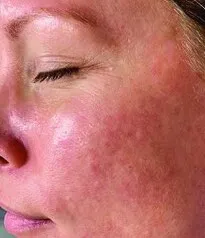
Heavy brown mottling across the cheek, sitting over a flushed base.
One treatment, interval to the second photograph not recorded
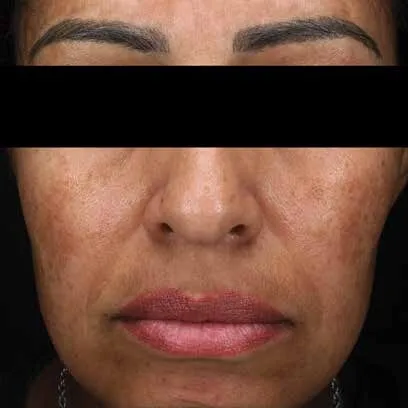
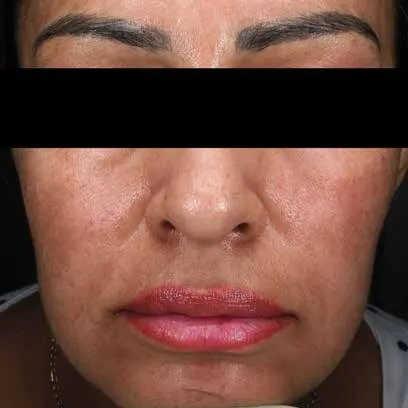
Brown patches massed across both cheeks and around the mouth, breaking up the tone.
One treatment, photographed 1 year on
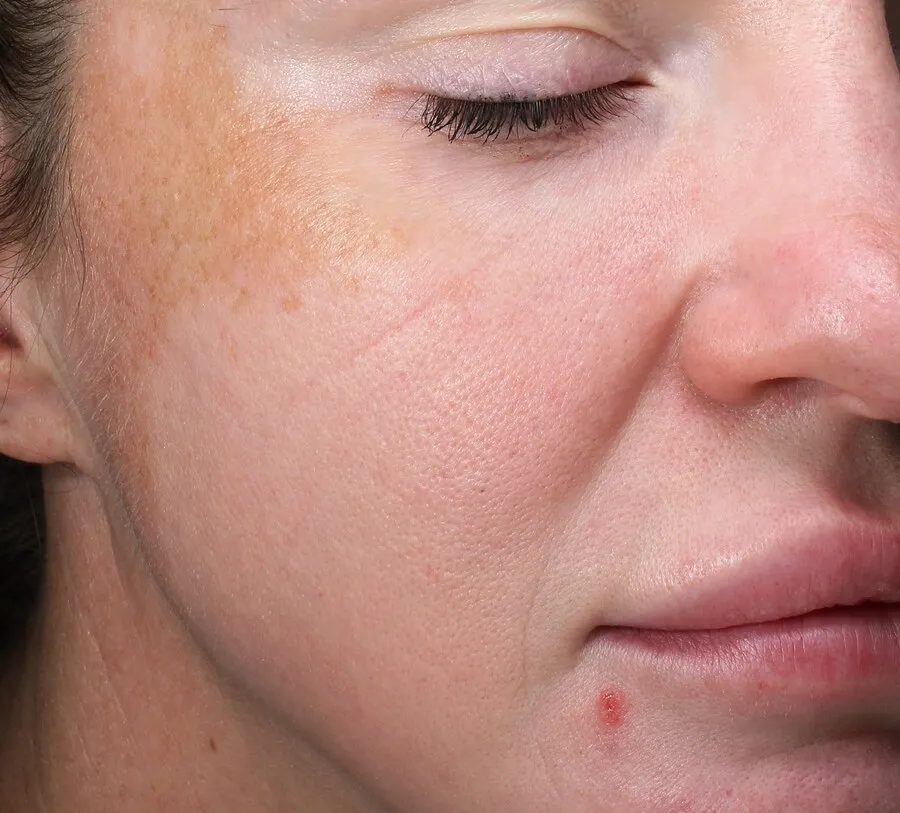
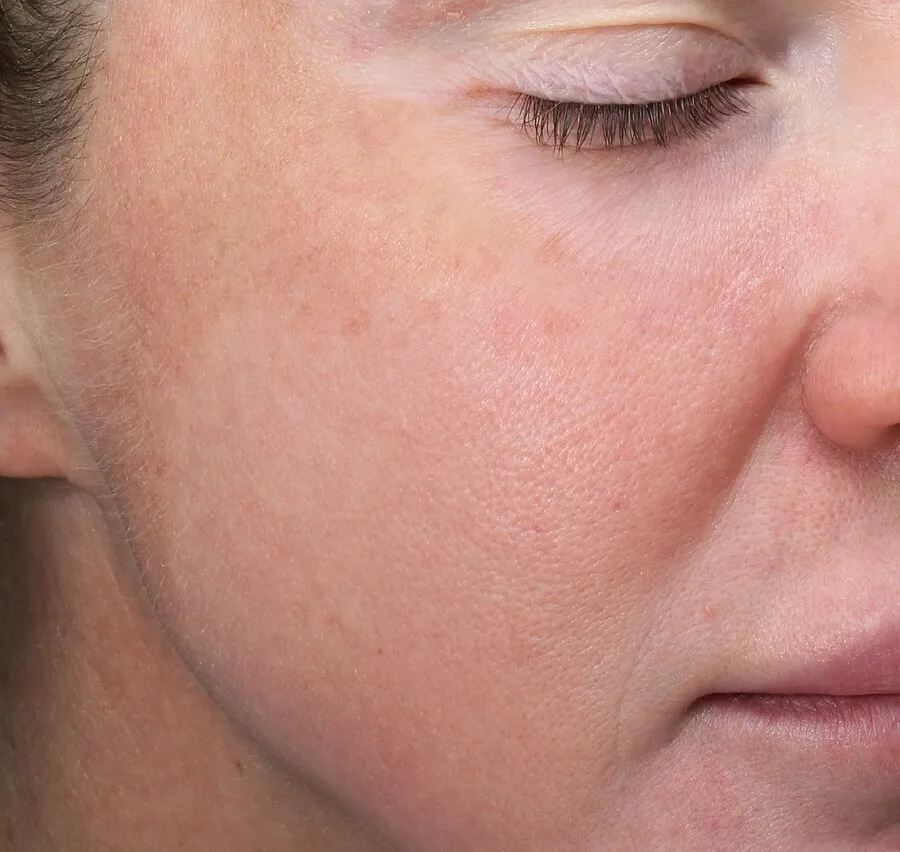
A run of brown spots gathered at the temple and the upper cheek.
One treatment, photographed 6 weeks on
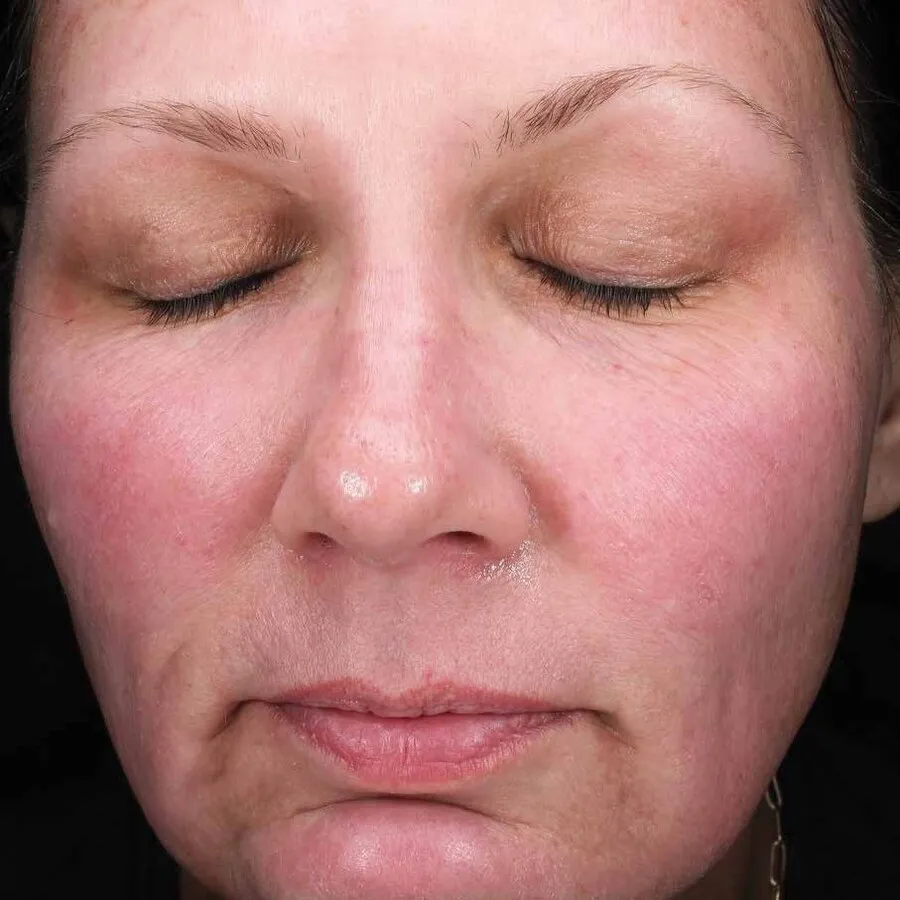
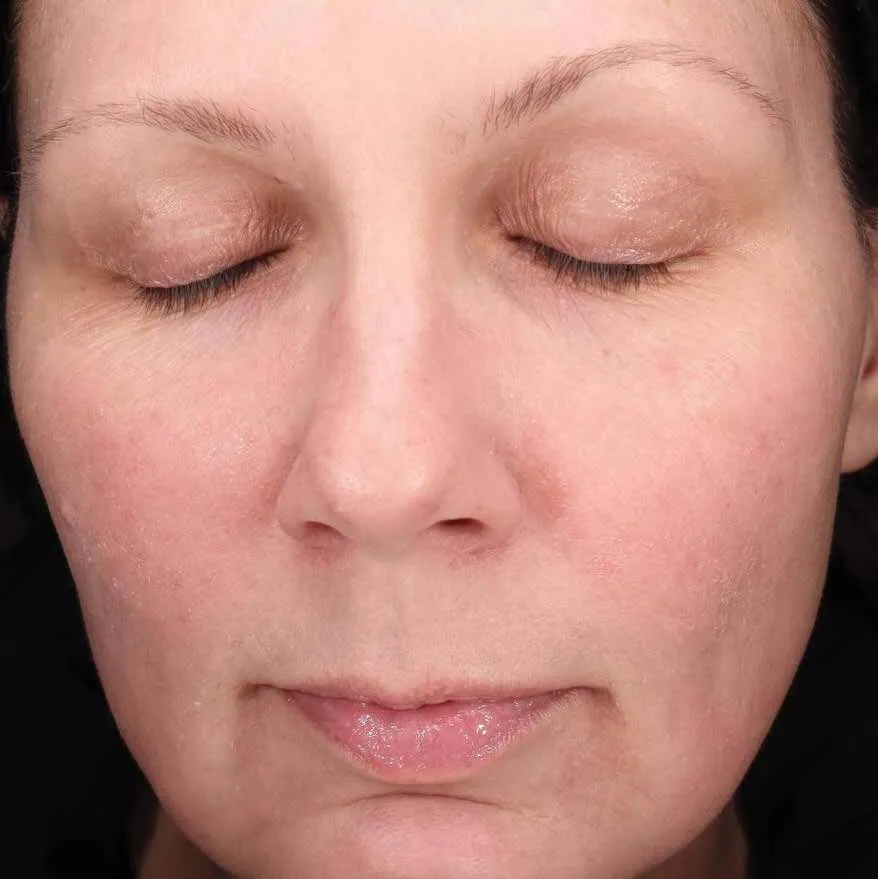
High colour across both cheeks and the nose, over a surface that reads dull rather than clear.
One treatment, photographed 6 weeks on
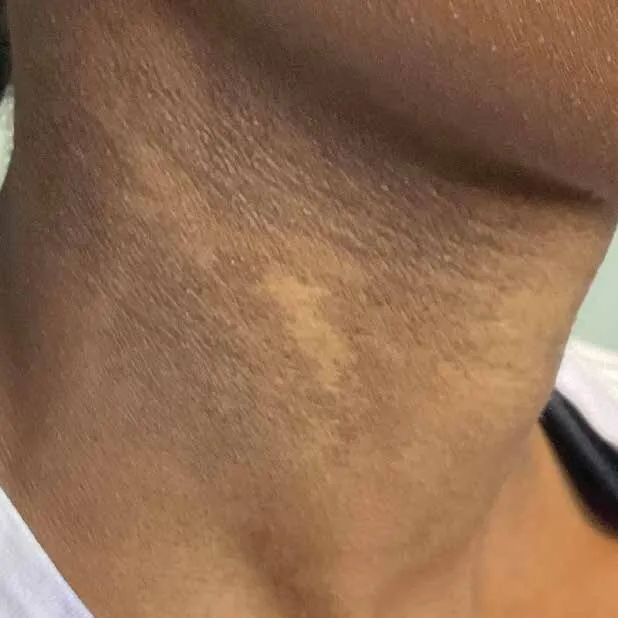
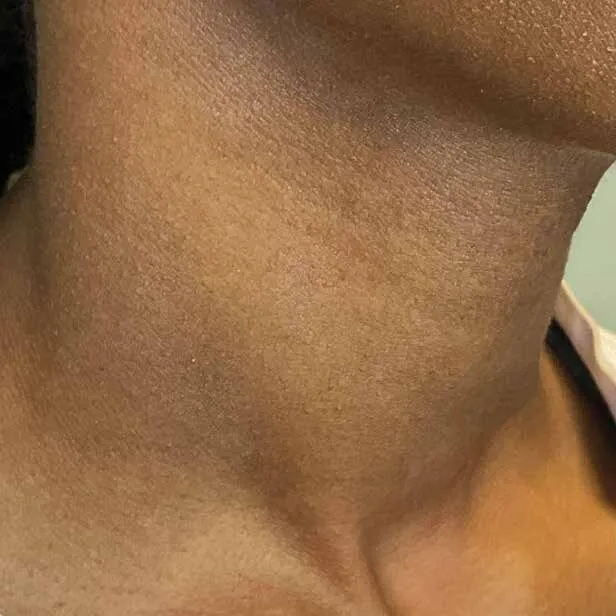
Mottled sun damage down the side of the neck, patchy rather than even.
One treatment, photographed 2 months on
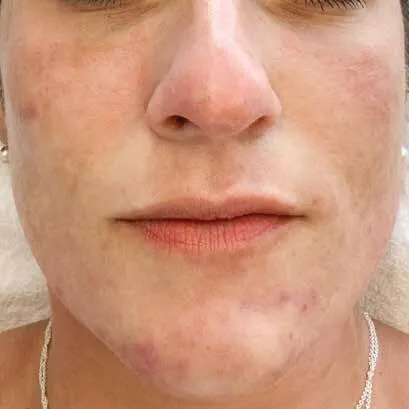
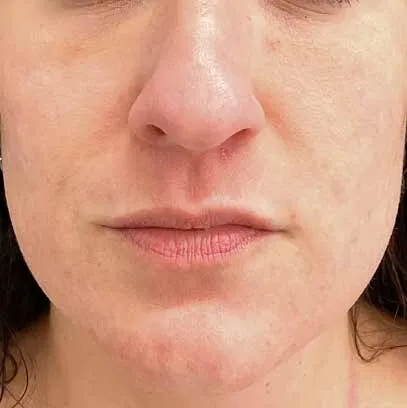
Marks left behind across the cheek and the jaw, holding the tone uneven.
Three treatments, photographed 6 months on
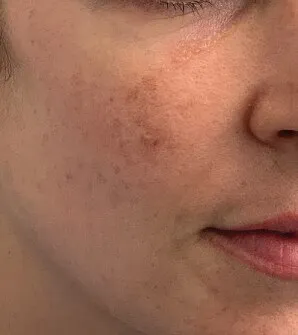
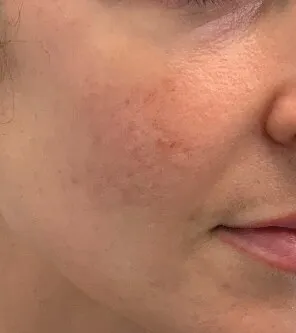
Brown pigment mottling the cheek, with the tone dulled around it.
One treatment, photographed 1 week on
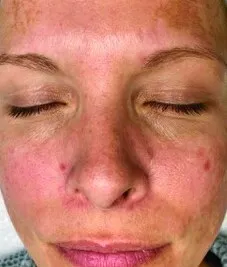
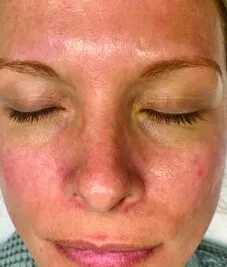
Sun spots scattered over the forehead and the cheeks, on a ruddy base.
One treatment, interval to the second photograph not recorded
Why patients choose Moxi
These reflect common patient sentiment rather than verbatim quotes, and individual results vary.
I wanted to start taking care of my skin without a week of downtime, and Moxi was the honest first step Dr. Mikki suggested rather than the most aggressive laser. She explained it would be gradual and that my skin type shaped the settings. Results may vary, but my tone looks brighter and the recovery took a few days, much as she described.
She did not push the priciest laser. Moxi fit where my skin actually was, and she said so plainly.

Frequently asked questions
What is Sciton Moxi, and how does it work?
Moxi is a non-ablative fractional laser on the Sciton platform, and Medrein runs the version that delivers a true Thulium 1927 nm wavelength. It creates microscopic coagulation zones in the skin, which the body then repairs by replacing damaged cells with fresh ones. That repair is what softens early sun damage, dullness and uneven tone. Dr. Mikki performs the treatment and sets the level to your skin.
What does Moxi treat, and who is it for?
Moxi addresses early signs of sun damage, uneven tone, mild texture, and dullness. It is often chosen by patients who want a first step in laser skin care that avoids an ablative recovery, or a maintenance treatment between more intensive sessions. It is not a deep-resurfacing laser.
How is Moxi different from BBL HEROic and Halo Tribrid?
Moxi resurfaces the surface fractionally for tone and texture. BBL HEROic uses BroadBand Light for pigment and redness rather than resurfacing, and Halo Tribrid resurfaces deeper with more downtime. Dr. Mikki often combines Moxi with BBL, and reserves Halo for deeper concerns.
Is Moxi safe for darker skin tones?
Moxi is non-ablative, which is why it can be considered across a wider range of skin tones than heavier resurfacing lasers. Candidacy still depends on your skin type and history, so Dr. Mikki reviews your skin and sets conservative settings at consultation.
What are MENDs, and what do the days after Moxi look like?
For the day following treatment your skin may look red. Depending on the level of treatment you may also see small dots where the laser was applied, which are called MENDs. As the treated zones heal they darken and feel rough, and between days three and five they flake away as the surface finishes healing. Results vary with your treatment goals and the level chosen.
What is the aftercare for Moxi?
Because Moxi is a non-ablative fractionated treatment, the post care is simple. Wear a moisturising physical sunscreen and stay out of the sun while the skin renews. You may wear makeup 24 hours after your treatment. Dr. Mikki sends you home with written instructions rather than a verbal summary.
How many sessions will I need, and how long is each?
Dr. Mikki typically plans three to four corrective treatments, then moves to regular maintenance sessions through the year. The exact number depends on your goals and how much damage there is to correct, and she sets it at consultation. A single session usually runs 30 to 45 minutes, including numbing time.
Why are Moxi and BBL HEROic often done together?
The two treat different things. Moxi creates coagulation zones the body repairs, which improves tone and texture; BBL HEROic uses intense pulsed light to target pigment, sun damage and age spots anywhere on the body. Run together they cover both in minutes with little to no downtime, and the post care is the same either way. Dr. Mikki typically plans three to four Moxi sessions alongside one to two BBL sessions.
What are Forever Young BBL and Forever Body BBL?
They are the two BroadBand Light passes the Moxi pairing uses, named for where they are run rather than for different machines. Forever Young BBL is the facial pass, used for pigment and diffuse redness on the face. Forever Body BBL is the body pass, used for pigment, sun damage and age spots on the chest, shoulders, arms and legs. Medrein runs both on the HERO generation of the device. Dr. Mikki decides at consultation which of them your plan needs, and whether it needs both.
Does the Moxi and BBL pairing treat areas below the face?
The BBL half does. Moxi is run on the face here, while BroadBand Light can be taken to the chest, shoulders, arms and legs, which is usually where sun damage shows up alongside the face in this climate. That is what the pairing is for: the face and the areas that were exposed with it, rather than the face on its own. Which areas are treated, and in what order, is set at consultation.
What is a combined Moxi and BBL visit like?
The two are done as separate passes rather than at once. Comfort during each varies from person to person: for the Moxi pass Dr. Mikki may apply a numbing cream beforehand and use cooling air through the handpiece, and the BBL pass is quick enough that many patients are treated without one. The aftercare is the same for both, which is part of why they are paired: sunscreen, stay out of the sun, and makeup back on 24 hours later. Dr. Mikki typically plans three to four Moxi sessions alongside one to two BBL sessions.
When will I see results, and how long do they last?
Skin often looks fresher and more even within a week or two as it renews, with tone continuing to improve across a series. Results may vary with skin type and sun exposure, and daily sun protection is what preserves them. Dr. Mikki sets a realistic timeline for you.
Is Moxi right for your skin?
Dr. Mikki reviews your tone and texture, confirms candidacy against BBL and Halo, and sets your session count.
4.8★ from 128 verified Google reviews