
Hormone Pellet Therapy in Southlake, TX
A pellet the size of a grain of rice goes just under the skin and releases estrogen or testosterone steadily for months. There is no daily cream to apply and no weekly injection to schedule.
- Google 4.8★
- Yelp 5.0★
One insertion, steady levels for months
A hormone pellet is a small compressed cylinder placed just beneath the skin, usually near the upper hip, in a short visit under local numbing. From there it releases estrogen or testosterone gradually over about three to six months. Dr. Mikki sets the dose from your bloodwork before the pellet goes in.
How pellet therapy works
Who hormone pellet therapy is built for
Pellets are a delivery route, so the same testing and the same monitoring apply as in Women’s HRT and Men’s HRT.
Testosterone pellets
Testosterone has a role in energy, mood, muscle mass and libido, which is why it is the hormone most often behind the symptoms men bring in. Testosterone pellets address a confirmed deficiency and are used in women’s plans too, in far smaller amounts, when labs support it.
Estrogen pellets
Estrogen supports the menstrual cycle, bone density and reproductive health, and its decline is what most menopausal symptoms track. Estrogen pellets are used to address that imbalance on the same steady-release schedule.
What hormone imbalance looks like
Common symptoms
- Fatigue
- Weight gain or loss
- Mood swings
- Low libido
- Sleep disturbances
- Decreased energy
- Hot flashes or night sweats
- Irregular menstrual cycles
- Decreased fertility
- Hair loss or thinning
None of these confirms an imbalance on its own. They are the pattern worth bringing to a hormone panel, which is what settles it.
Associated with long-term imbalance
- Osteoporosis
- Heart disease
- Metabolic syndrome
- Depression
- Anxiety
These are conditions associated with hormone imbalance left unaddressed over years. They are a reason to get tested. Therapy is not promised to prevent any of them, and Dr. Mikki will discuss what your own results mean.
Pellets, creams and injections compared
Pellets are one delivery route within the practice’s Hormone Replacement Therapy program. Many pellets use bioidentical hormones, and the route is chosen against your labs and routine at consultation.
| Feature | Pellets | Cream | Injection |
|---|---|---|---|
| Steady release from one insertion | Included | Not included | Not included |
| Nothing to apply or inject between visits | Included | Not included | Not included |
| Easy to adjust or stop quickly | Not included | Included | Included |
| Dosed to labs and monitored by Dr. Mikki | Included | Included | Included |
What a pellet insertion visit looks like
Consultation and evaluation
Dr. Mikki reviews your medical history, talks through your symptoms and concerns, and orders hormone-level testing. Nothing is placed on the strength of symptoms alone.
A customized plan
The hormone and the amount are set from your own test results, and the delivery route is confirmed as the right one for you.
Pellet insertion
The area is numbed with a local anesthetic and the pellet is placed through a small opening, usually near the upper hip. It is a quick, minimally invasive in-office procedure.
Follow-up and monitoring
Regular check-ups reassess your hormone levels and your symptoms, and the plan is adjusted as needed. Reinsertion is scheduled by your labs.
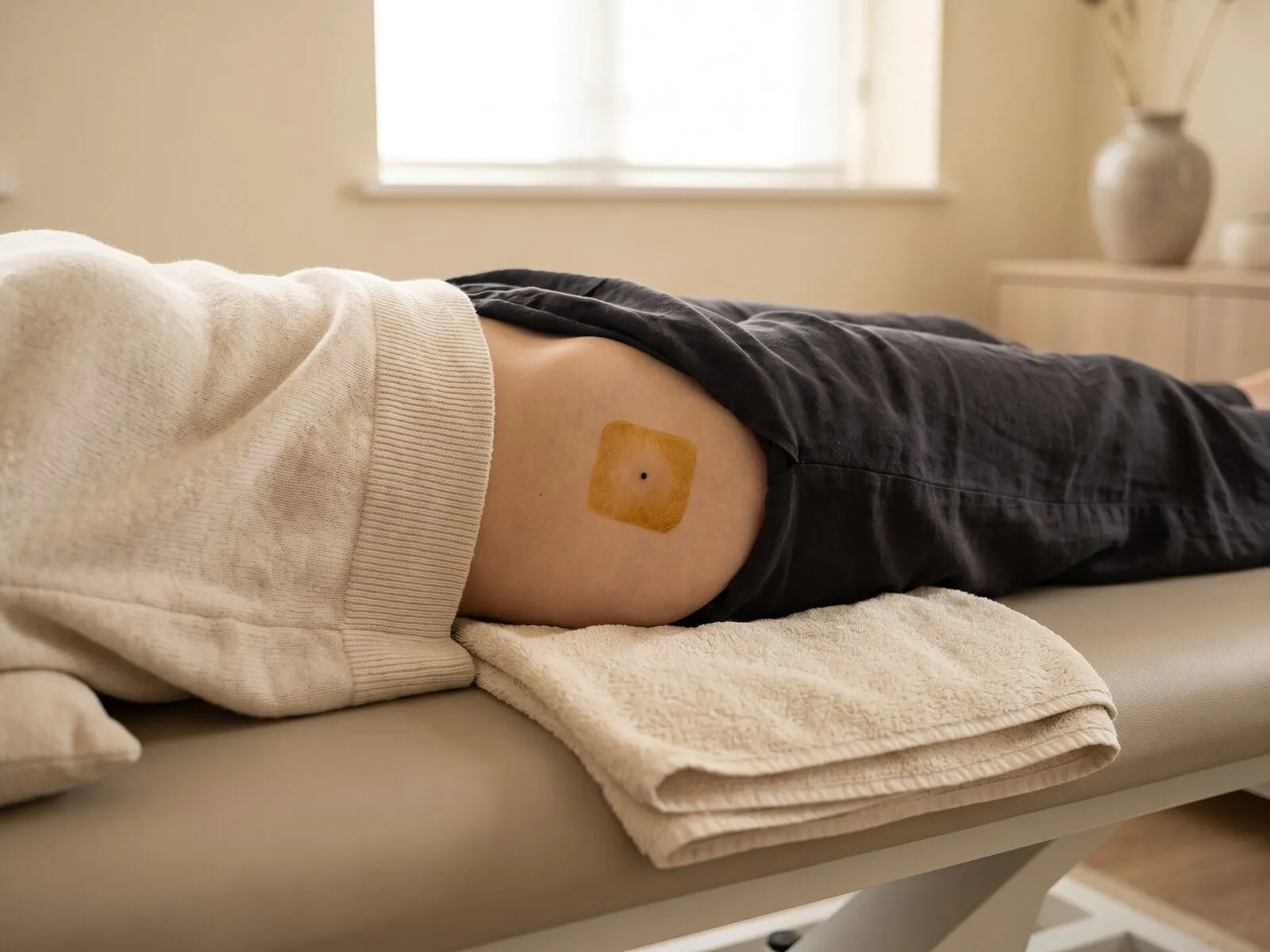
Dr. Mikki takes your symptom history, orders the hormone panel, and confirms whether a pellet is the right route for your labs and your routine. Nothing is placed on the strength of symptoms alone.
The compounded pellets used here
Medrein places custom-compounded, plant-derived pellets. Compounded means the strength is made up for one patient, so what goes under the skin is the dose your own labs called for.
- Purity and consistency
- The pellets are prepared by a compounding pharmacy and quality-checked before they reach the office.
- Dosing
- The strength is compounded to your own lab results rather than dispensed at a fixed dose, and it is reviewed again at follow-up.
- How it releases
- A steady release across three to six months, so levels stay predictable between visits.
- FDA oversight
- Compounded pellets are prepared for one patient by a compounding pharmacy, and compounded preparations are not FDA-approved. Dr. Mikki goes over what that means before anything is placed.
- Personalization
- Comprehensive hormone testing sets the formulation, and your repeat labs set the next one.
Safety and what to expect afterward
How the practice keeps it monitored
- Hormone levels are tested before a pellet is placed, and rechecked before each reinsertion.
- The insertion is done under local anesthesia, minimally invasive, with little downtime.
- Follow-up visits reassess levels and symptoms and adjust the plan as needed.
- Bioidentical, plant-derived pellets are used, and the formulation is set from your lab results.
- Dr. Mikki, a board-certified physician, performs the insertion herself.
Possible side effects
- Temporary swelling at the insertion site.
- Mild discomfort or tenderness for a few days.
- Bruising around the site, which typically settles on its own.
- Slight hormonal fluctuation while the body adjusts to steady levels.
- Because a pellet cannot be removed easily once placed, it is harder to adjust quickly than a cream or an injection.
Who pellet therapy is for
Dr. Mikki confirms candidacy against your labs and history and will say plainly when a different route fits better. A cream or an injection is easier to change quickly, which sometimes matters more than convenience does.
A good fit
- Hormone decline confirmed on bloodwork, in either women or men.
- Preferring one short visit every few months to a daily cream or a weekly injection.
- A history of forgetting doses, which is the practical problem steady release solves.
- Willing to return for repeat labs so the next pellet can be dosed to current numbers.
Not the right route
- Symptoms with no hormone testing to account for them. The labs come first here.
- A history that makes hormone therapy inappropriate, which Dr. Mikki reviews before insertion.
- Wanting a route that can be stopped or changed within days, which a pellet cannot be.
- Unable to keep the site dry and avoid strenuous activity for a short period afterward.
Before you book, three things worth knowing
A pellet lasts between three and six months, and how long yours lasts depends on your metabolism and your activity level. A pellet cannot be adjusted quickly once it is in, which is the honest trade for not having to think about it. And insurance coverage varies by provider and plan, so check with your insurer for your own numbers.
The consultation covers your symptoms, your history and the hormone panel behind them, and ends with a plain answer on whether a pellet suits you or whether a cream or an injection suits you better.
Why patients choose pellet therapy
These illustrate common patient sentiment. They are not word-for-word quotes, and individual results vary.
I kept forgetting my hormone cream and my levels were all over the place. Dr. Mikki suggested pellets, set the dose from my labs, and the insertion itself took only a few minutes under numbing. Results may vary, but having steady levels for months without something to remember every day made the difference for me.
One quick visit every few months instead of a daily routine. The dose was based on my bloodwork.

Frequently asked questions
What is hormone pellet therapy?
Hormone Pellet Therapy delivers estrogen or testosterone through small pellets placed just beneath the skin, typically near the upper hip. The pellet releases hormone steadily over several months, so levels stay even between visits. Dr. Mikki sets the dose from your bloodwork before the pellet is placed.
How is the pellet inserted?
The area is numbed with a local anesthetic, and the pellet is placed through a small opening in the skin in a short in-office visit. The opening is closed with a small dressing. Most patients return to normal activity the same day, with some guidance to avoid heavy exercise for a few days.
How long do hormone pellets last?
Pellets typically last between three and six months, depending on your metabolism, your activity level and your hormone needs. Dr. Mikki schedules reinsertion based on your labs and how you feel as the pellet wears off. Results may vary.
What are the benefits of hormone pellet therapy?
Pellet therapy is used to increase energy, improve mood, support libido, regulate sleep, support bone and muscle health, and reduce the symptoms of menopause or low testosterone. It also removes the daily or weekly dosing schedule other routes require. Which of those change for you depends on your labs and symptoms, and results may vary.
Who is a candidate for pellet therapy?
Candidates are women and men with hormone decline confirmed on bloodwork who prefer a low-maintenance delivery route and have no history that makes hormone therapy inappropriate. Dr. Mikki reviews your symptoms, labs and history first. Candidacy is individual.
How is pellet therapy different from creams or injections?
Pellets release hormone continuously from one insertion, so there is nothing to apply or inject between visits and levels stay steadier than a schedule of pills, creams or injections tends to produce. Creams and injections are dosed by you and are easier to stop or change quickly. The right route depends on your labs, your routine and your preference.
Are there any side effects of hormone pellet therapy?
Some people experience temporary swelling, mild discomfort at the insertion site, or slight hormonal fluctuation as the body adjusts to steady levels. These usually settle on their own. Dr. Mikki reviews your history against the risks of hormone therapy generally before any pellet is placed.
What kind of pellets does Medrein use?
Medrein uses custom-compounded, plant-derived bioidentical pellets. A compounding pharmacy prepares them at the strength Dr. Mikki sets from your lab results, and they release steadily across three to six months. Compounded preparations are made for one patient and are not FDA-approved, which Dr. Mikki goes over with you before anything is placed.
What is recovery like?
The insertion site may be tender or bruised for a few days. You will be asked to keep the area dry and avoid strenuous activity for a short period so it heals. Most people find the visit and the recovery straightforward.
See if pellet therapy fits your routine
Dr. Mikki reviews your labs and history, confirms candidacy, and sets the dose before any pellet is placed.
4.8★ from 128 verified Google reviews