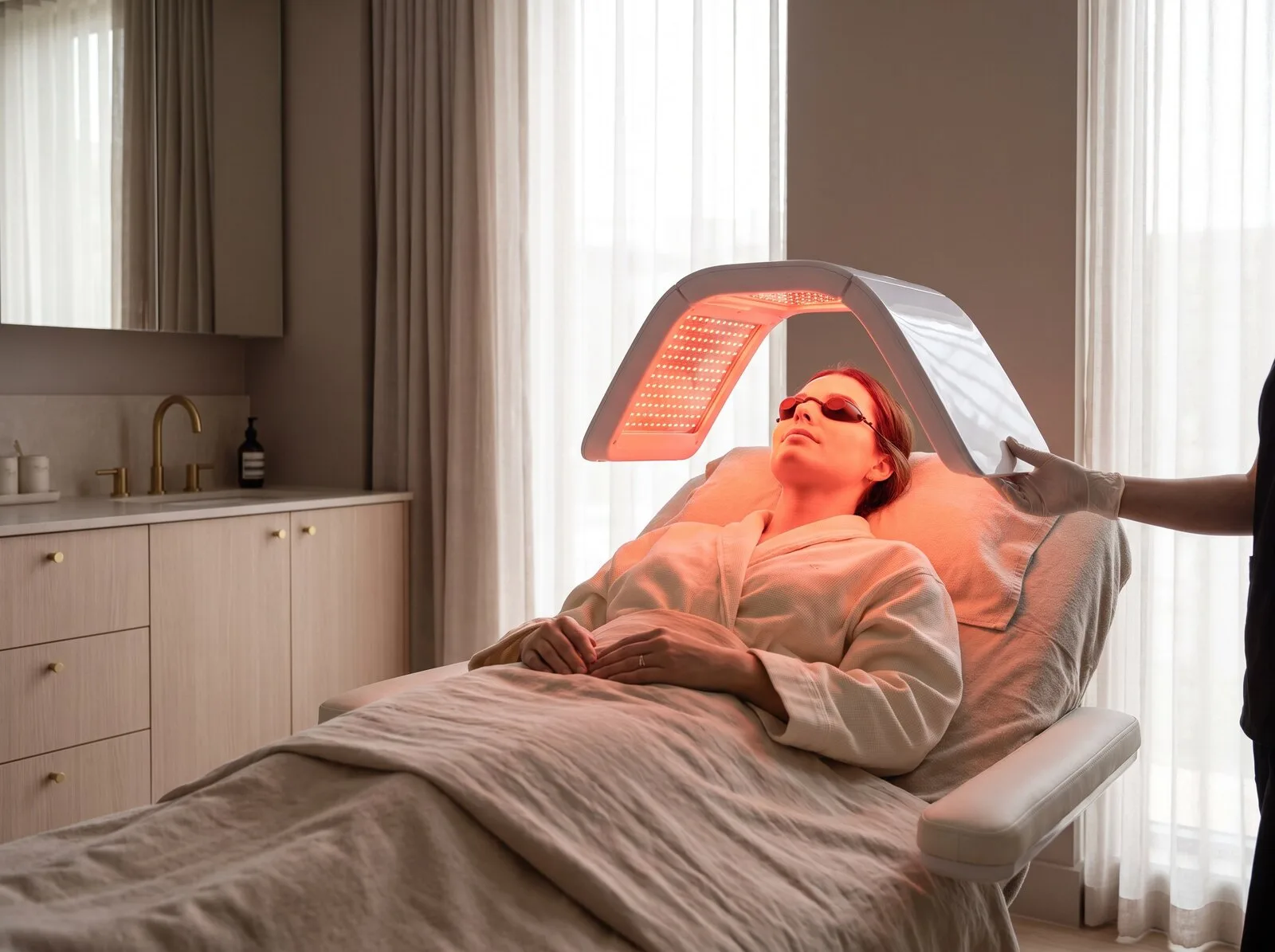
ComfortLase™ Photobiomodulation in Southlake, TX
ComfortLase™ is photobiomodulation therapy: low-level laser light applied over the treatment area to relieve pain, reduce inflammation and support healing. Non-invasive, drug-free, and no downtime afterward.
- Google 4.8★
- Yelp 5.0★
Gentle light that works at the level of the cell
ComfortLase™ is the photobiomodulation treatment in the Fotona lasers family. Low-level laser light is applied over the treatment area, and the light is absorbed by the cells beneath, where it increases circulation, reduces inflammation and supports the cellular energy production behind healing. That is why the same treatment is used for pain and injury recovery and for calming reactive skin. Because the light carries no ablative heat, there is no peeling and no downtime, and it is often added to support comfort after a stronger treatment.
What sets ComfortLase™ apart
What ComfortLase™ photobiomodulation is used for
Photobiomodulation is commonly used for pain, inflammation and recovery, and the same light is used on the skin. These are the concerns ComfortLase™ is applied to at Medrein.
Chronic pain
This is pain that has outlasted the injury behind it. The session is drug-free, and the light works through the skin without breaking it.
Arthritis and joint pain
Light is delivered over the affected joint, where it is used to support circulation and reduce inflammation in the surrounding tissue.
Neuropathy
Nerve-related pain is among the conditions photobiomodulation is commonly used for. Dr. Mikki confirms it belongs alongside your existing care first.
Muscle and sports injuries
Light treats strains and overuse injuries where heat would be used, so there is nothing to recover from after the session itself.
Post-surgical recovery
This light is used to support the body’s own healing after a procedure, including recovery after a more intensive treatment performed here.
Inflammatory conditions
The same anti-inflammatory effect is why this light is used both on inflamed tissue and on reactive, irritated skin.
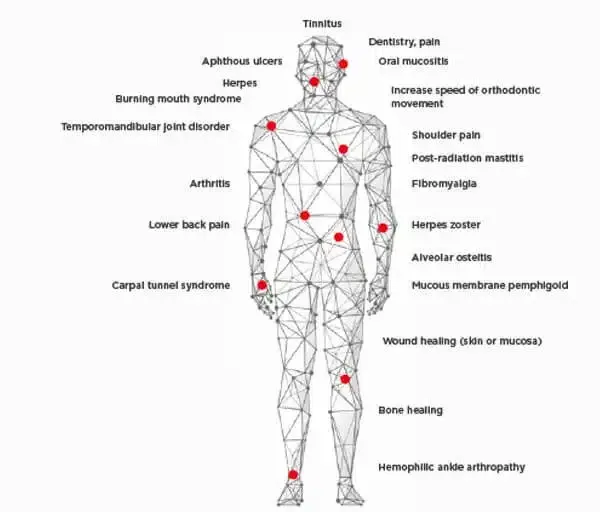
Photobiomodulation supports processes that the body is already running; it does not cure the condition underneath, and individual results vary. Dr. Mikki reviews the area and whatever care you are already receiving for it, and will say plainly when ComfortLase™ is not the answer, or when a Fotona 4D treatment is the better fit.
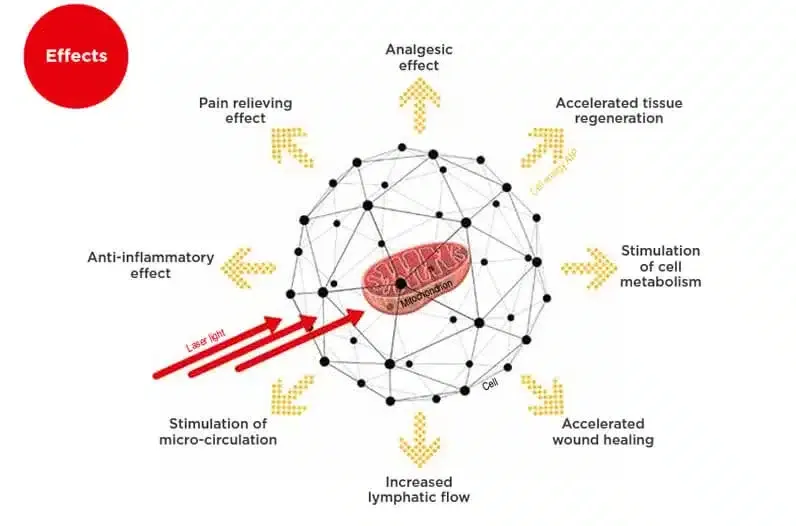
How photobiomodulation works
Specific wavelengths of light penetrate the skin and are absorbed by the cells beneath it. What follows happens inside the cell, which is why the treatment needs no incision and no anesthetic.
What the absorbed light does
- Pain relieving and analgesic. This is the leading reason most patients are referred to ComfortLase™.
- Anti-inflammatory. Inflammation in the treated tissue is reduced, drug-free.
- Stimulation of micro-circulation. Blood flow through the small vessels in the area increases.
- Increased lymphatic flow. Drainage through the treated area improves alongside the circulation.
- Stimulation of cell metabolism. Absorbed light drives cellular energy production inside the mitochondria.
- Accelerated tissue regeneration. The repair the cell is already attempting is supported.
- Accelerated wound healing. Healing after injury, surgery or a stronger treatment is supported the same way.
Where ComfortLase™ fits
ComfortLase™ supports and soothes; it does not resurface or lift. When the goal is firmer skin, Dr. Mikki looks to Fotona 4D instead, and ComfortLase™ can follow it to keep the skin comfortable.
| Feature | ComfortLase™ (Medrein) | Ablative Resurfacing | Full-Body PBM |
|---|---|---|---|
| No ablation, no peeling, no downtime | Included | Not included | Included |
| Focused on the face and localized areas | Included | Included | Not included |
| Supports the body’s own repair | Included | Not included | Included |
| Pairs on the same day as another treatment | Included | Not included | Varies |
What a ComfortLase™ session looks like
Consultation
Dr. Mikki reviews the area, your medical history and whatever care you are already receiving for it, then says whether photobiomodulation is worth adding.
The session
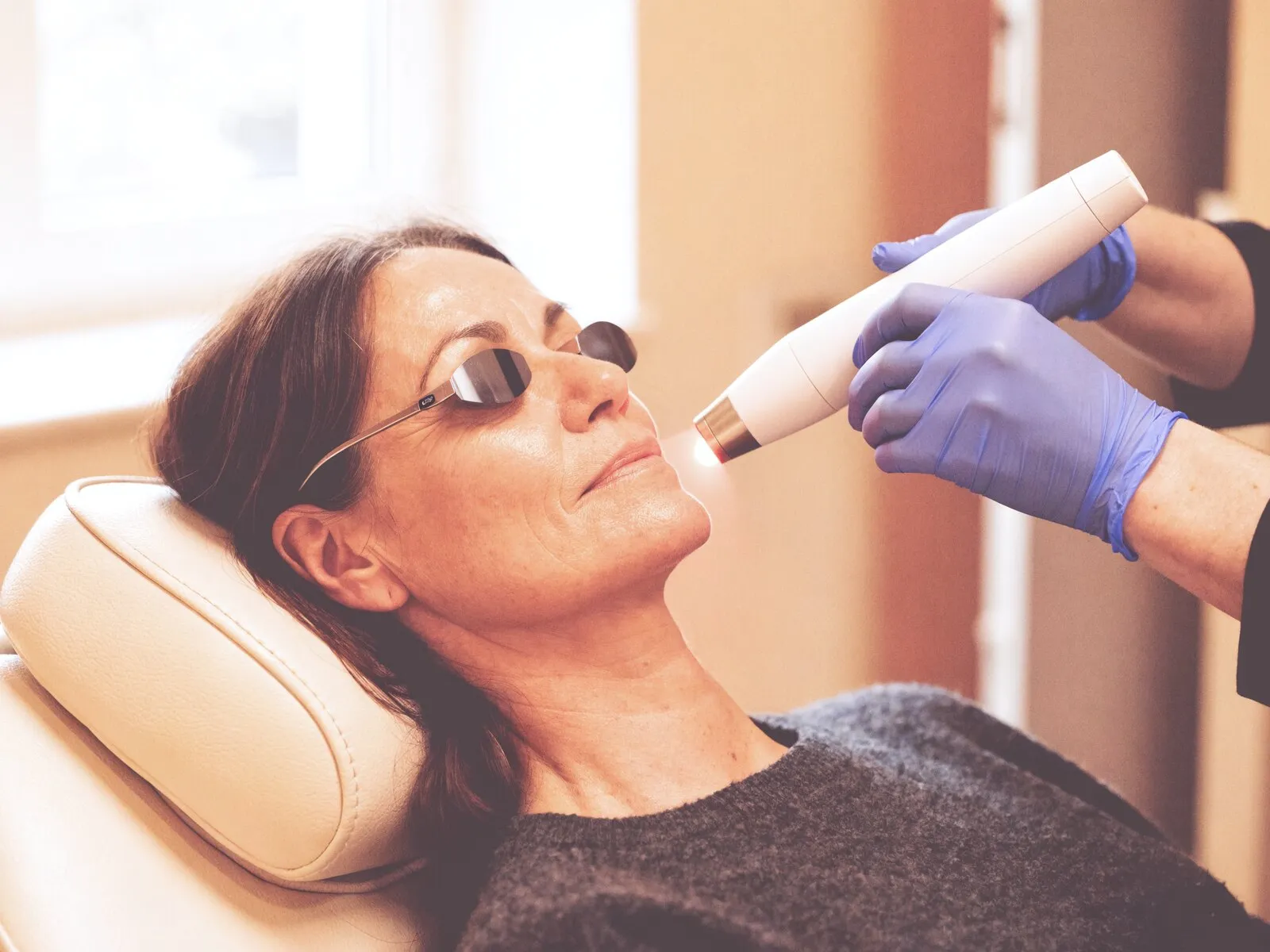
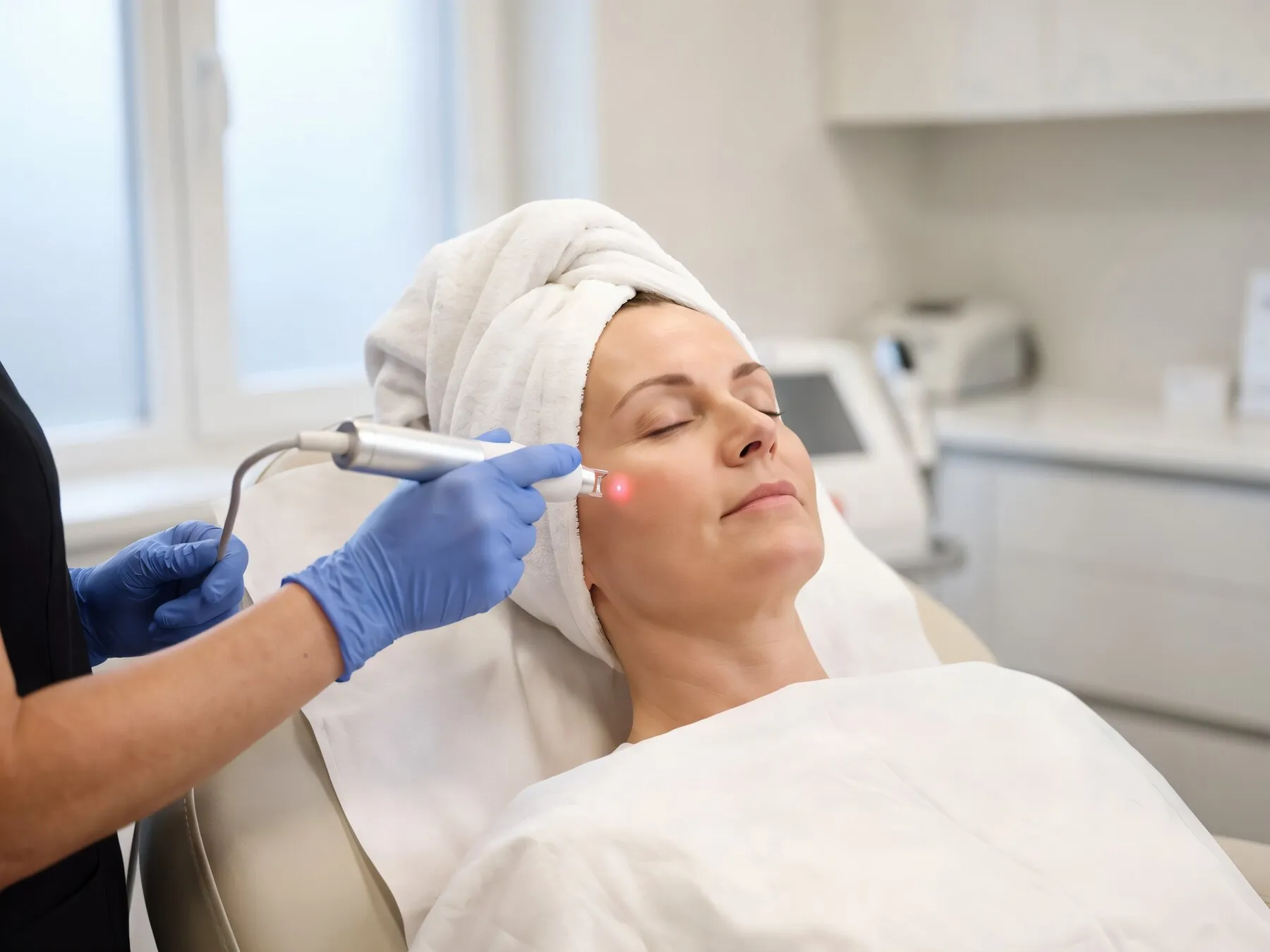
You rest while low-level laser or LED light is applied over the treatment area. No numbing is needed, because there is no ablative heat to numb against.
How it feels
Most patients report only a gentle warming sensation while the light is on, with no pain during treatment.
Afterward, and how many sessions
There is no downtime, so you return to your day straight away. How many sessions you need depends on the condition being treated: many patients start noticing improvements after a few sessions, with the fullest results built over a course of treatments. Individual results vary.
Is photobiomodulation safe?
Why PBM therapy is considered safe
- Non-invasive: light is applied over the skin, so the treatment leaves the tissue itself untouched.
- Drug-free, so it adds nothing to a medication list.
- Minimal to no discomfort, with most patients reporting only a gentle warming sensation during treatment.
- Minimal side effects are reported with low-level light therapy.
- Delivered by a team trained and experienced in current laser technologies, on equipment chosen so the session stays comfortable.
What to know before you start
- Photobiomodulation supports the body’s own repair processes. It is not a cure for the condition underneath, and this page does not claim otherwise.
- It is not a same-day fix. Many patients notice improvement after a few sessions, and the fullest results come over a course of treatments.
- The number of sessions varies with the condition being treated, so the plan is set individually at consultation.
- Individual results vary.
- Consult a healthcare provider before starting photobiomodulation, and bring your current diagnoses and treatment to your consultation.
Who ComfortLase™ is for
Dr. Mikki confirms candidacy at consultation against the area, your history and the care you are already receiving, and will point you elsewhere in the Fotona lasers range when something else is the better answer. It will point you toward laser resurfacing instead, when the goal is texture.
A good fit
- Chronic pain, arthritis or neuropathy you would rather not treat with another drug.
- Recovery from a muscle or sports injury.
- Healing after surgery, or after a more intensive treatment performed here.
- Inflammation, or reactive and irritated skin that needs settling.
- Wanting a gentle, non-invasive session with no downtime to plan around.
Not the right treatment
- Expecting one session to resolve a long-standing problem; photobiomodulation is built as a course.
- Looking for lifting or resurfacing. ComfortLase™ supports and soothes; it does not resurface.
- A condition that has not been assessed yet. Get a diagnosis first, then decide whether PBM belongs alongside that care.
- Starting treatment without having spoken to your healthcare provider about it.
Before you book, three things worth knowing
Photobiomodulation supports your body’s own repair processes. It does not cure the condition behind them. The number of sessions depends on what is being treated, so the plan is set individually at consultation. The practice’s stated priorities are comfort and safety, on equipment chosen for both. Individual results vary.
Before and after
Each pair holds one area before treatment beside the same view after a course of Fotona laser photobiomodulation. Three cases, and individual results vary.
Scroll the row sideways for the rest.
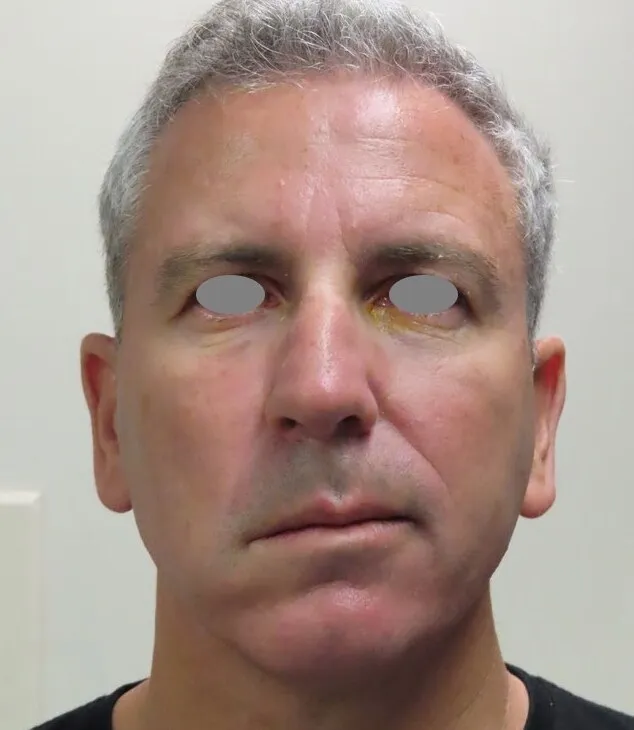
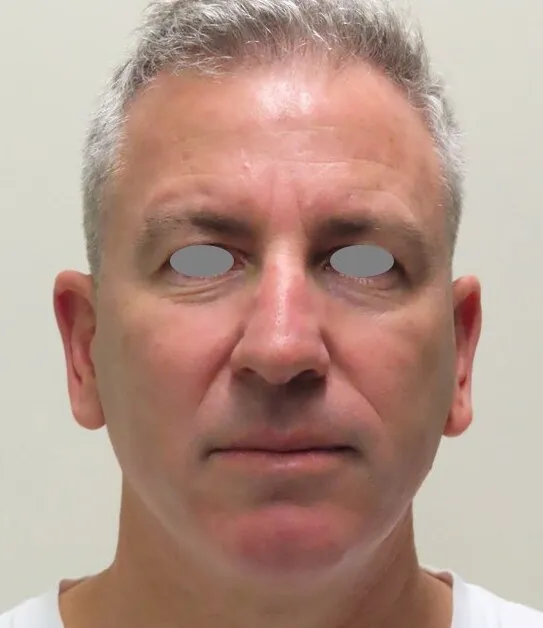
Bruising under both eyes and swelling gathered through the lower face after surgery.
Circulation and lymphatic drainage both rise under the light, which is how swelling clears.
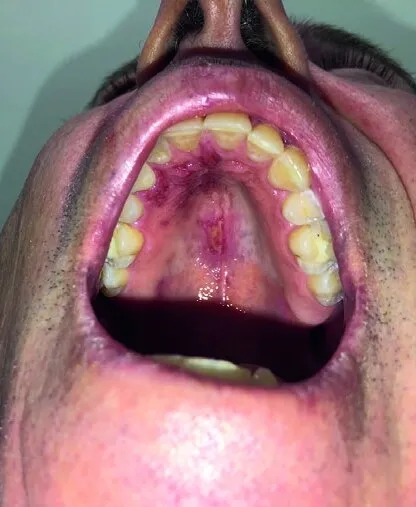
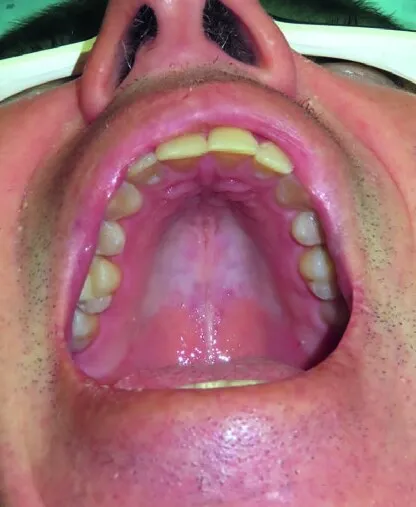
A raw surgical wound running back along the roof of the mouth, inflamed at its edges.
The same light is used over a surgical site to support the healing already under way.
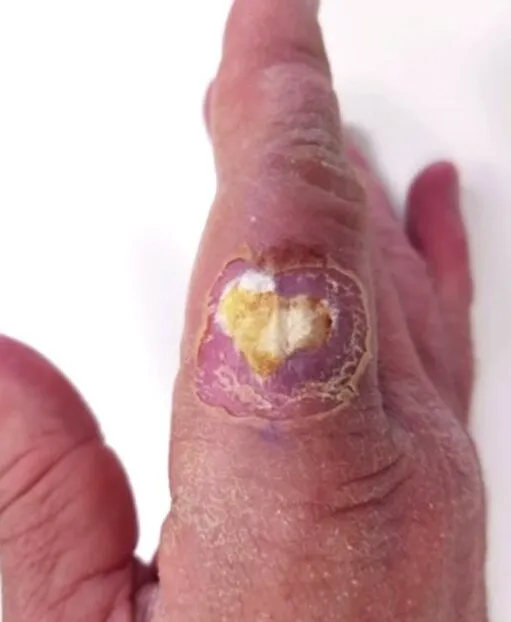
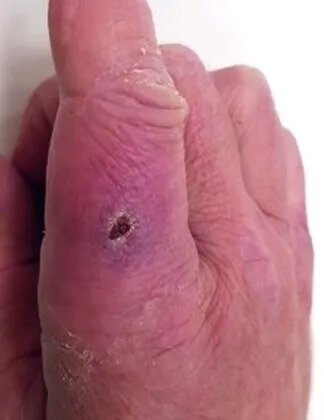
An open wound on the back of a finger, its base sloughy and the skin around it discoloured.
Absorbed light drives the cellular energy production behind the repair the tissue is attempting.

Why patients add ComfortLase™
These reflect common patient sentiment rather than verbatim quotes, and individual results vary.
I have skin that flushes easily, so I was nervous about lasers at all. Dr. Mikki started me on ComfortLase™ to calm things down before we did anything stronger, and she explained exactly what the light was doing and what it was not. My skin looked less angry and I trusted the plan more because nothing was rushed. Results may vary, but I never felt pushed toward the biggest treatment.
A calm, no-downtime session that settled my redness after microneedling. Exactly what I needed that week.
Frequently asked questions
What is ComfortLase™ photobiomodulation therapy (PBM)?
ComfortLase™ is photobiomodulation therapy, also written PBM. It is a non-invasive treatment that uses low-level laser or LED light to stimulate cellular function, reduce inflammation and promote healing. The light is applied over the treatment area, so the tissue itself is left intact and there is nothing to recover from afterward.
What conditions is PBM therapy used to treat?
Photobiomodulation is commonly used for chronic pain, arthritis, neuropathy, muscle and sports injuries, post-surgical recovery and inflammatory conditions. At Medrein it is also used on the skin, to calm visible redness and irritation and to support recovery after a stronger treatment. Dr. Mikki confirms whether it belongs alongside your existing care before anything is booked, and individual results vary.
How does photobiomodulation work?
Specific wavelengths of light penetrate the skin and are absorbed by the cells beneath it. That absorption increases circulation, reduces inflammation and promotes cellular energy production, which is what supports pain relief and healing in the treated area. The cell’s own repair process is what gets supported; no tissue is removed and none is heated away.
Is photobiomodulation therapy safe?
Photobiomodulation is considered safe, non-invasive and drug-free, with minimal side effects reported. It is still a medical treatment, so it is essential to consult a healthcare provider before starting. Bring your current diagnoses and treatment to your consultation, and Dr. Mikki will tell you plainly if PBM is not the right addition for your case.
Does ComfortLase™ hurt or cause downtime?
No on both counts. Most patients report only a gentle warming sensation while the light is on and nothing more, and because there is no ablation and no numbing, most people return to their day immediately. That is why ComfortLase™ is frequently added on the same day as another treatment to support comfort afterward.
How many ComfortLase™ sessions will I need?
It depends on the condition being treated. Many patients start noticing improvements after just a few sessions, with the fullest results built over a course of treatments. ComfortLase™ is also often used alongside other visits, with the cadence set at your consultation based on your goal. Results may vary with the concern being treated.
Is ComfortLase™ the same as red light therapy or low-level laser therapy?
They belong to the same family. Photobiomodulation covers low-level laser and LED light used to stimulate cellular function, and low-level laser therapy and red light therapy are other names patients meet for it. What differs is the delivery: ComfortLase™ is targeted light applied over a specific treatment area or the face, rather than a whole-body panel, so the energy goes where the concern is.
What skin concerns is ComfortLase™ used for?
ComfortLase™ is used to calm visible redness and irritation, to soothe reactive or sensitive skin, and to support recovery after lasers or microneedling. It is a supportive treatment, and lifting or resurfacing is done with other lasers. Dr. Mikki will say so plainly if one of those is the better fit for your goal.
Who is a good candidate for ComfortLase™?
It suits patients managing chronic pain, arthritis, neuropathy or an injury they want treated without another drug, and patients with reactive, red or irritated skin who want gentle support after a more intensive treatment. Candidacy is confirmed at consultation, where Dr. Mikki examines the area and confirms ComfortLase™ is the right supporting step in your plan.
Is ComfortLase™ right for you?
Dr. Mikki examines the area, reviews the care you are already receiving, and confirms where photobiomodulation fits in your plan.
4.8★ from 128 verified Google reviews