Benign Lesion Removal by Laser in Southlake, TX
Laser benign lesion removal treats skin tags, cherry angiomas and similar spots on the face and body. Each spot is examined before treatment.
- Google 4.8★
- Yelp 5.0★
Precise laser removal for skin tags and benign spots
Skin lesion removal takes unwanted growths off the skin, and it is done for cosmetic reasons, for medical ones, or to send tissue for biopsy. Benign lesion removal at Medrein uses a focused laser from the Fotona lasers family to remove skin tags, cherry angiomas, keratoses and similar spots in fine layers. The safety step comes first: Dr. Mikki examines each lesion, and only spots confirmed as benign are treated. Anything that looks suspicious or has changed is referred for evaluation, never lasered cosmetically.
The benign lesions we remove with the laser
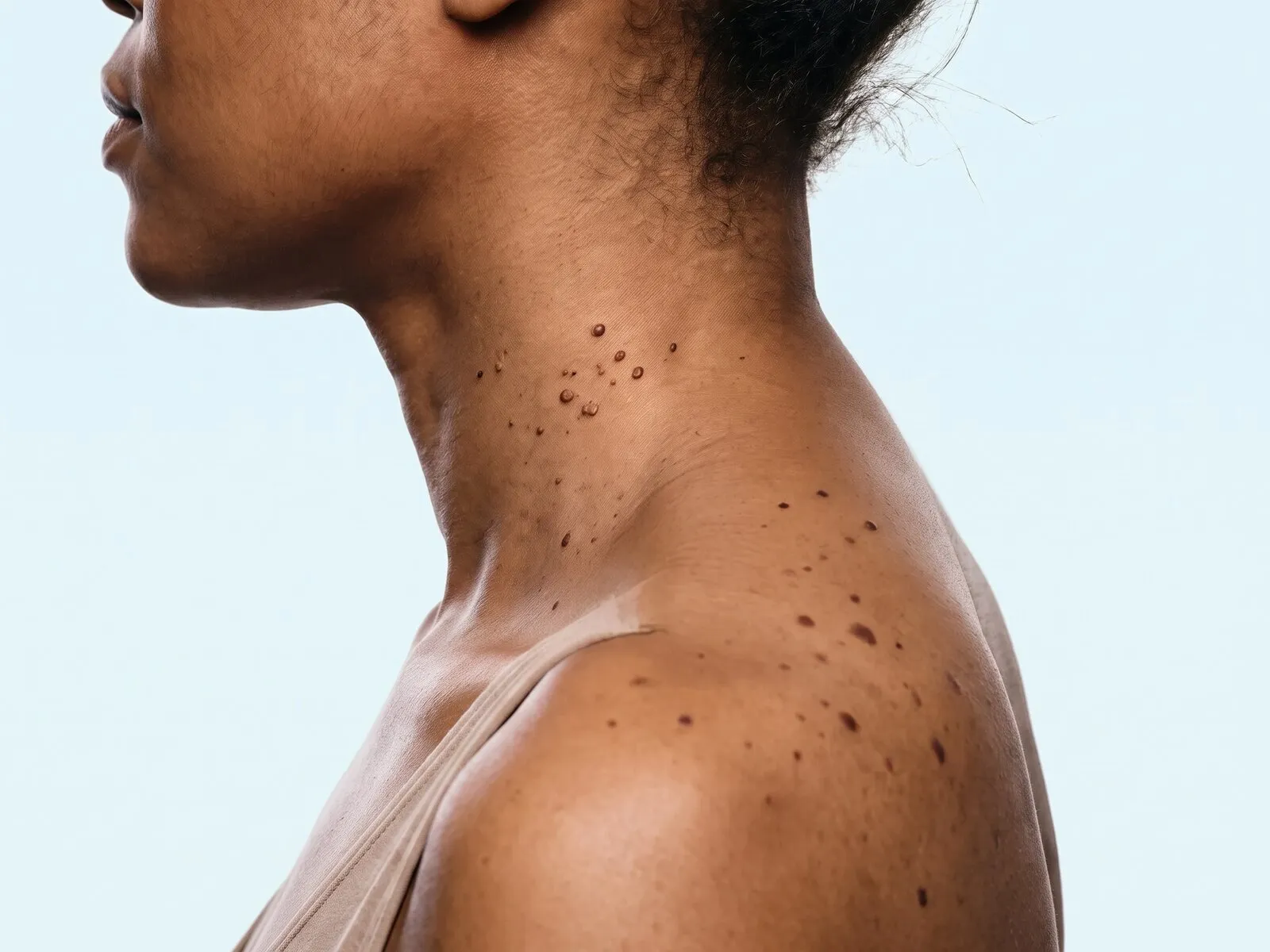
Benign lesions have distinct borders, grow slowly and stay where they are. These are the types Dr. Mikki treats with the Fotona laser, on the face and on the body. Where a concern is pigment across a whole area rather than a defined spot, sun spot treatment is usually the better route, and Dr. Mikki will say so.
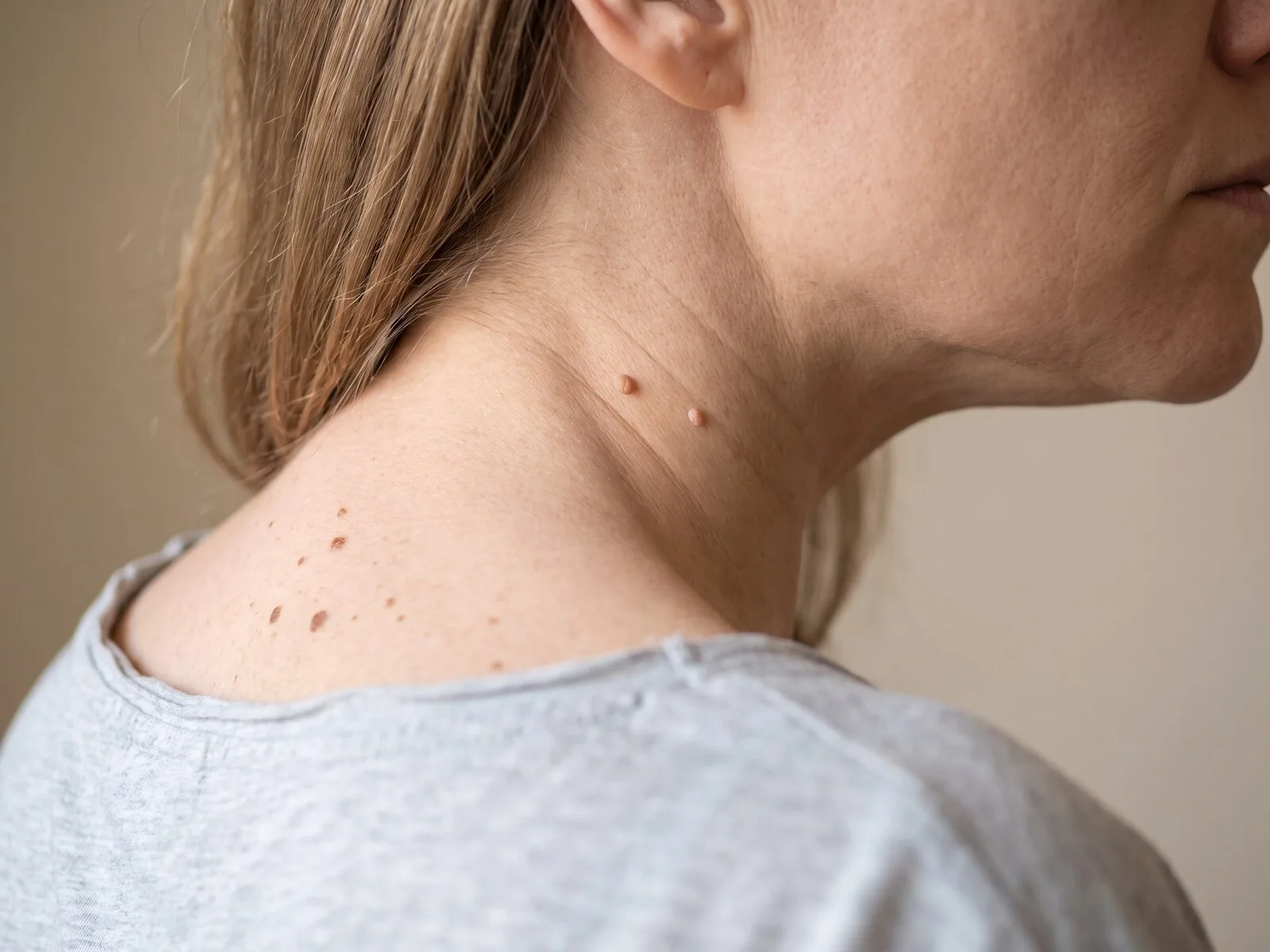
Skin tag removal
Soft, stalked growths that form where skin rubs or folds, most often on the neck and underarms.
Wart removal
Rough, raised growths that are contagious and spread by contact, which is why they are worth dealing with early.
Cherry angioma removal
Small, bright red vascular dots that appear on the trunk and limbs and tend to multiply over time.
Spider veins and telangiectasias
Fine, thread-like surface vessels that trace visibly across the skin in branching lines.
Venous lake removal
A soft, dark blue-purple vascular spot sitting just beneath the surface of the skin.
Milia removal
Small firm white bumps set just under the surface that do not clear with squeezing or scrubbing.
Xanthelasma removal
Soft yellowish deposits that build up in the skin and stay put once they have formed.
Seborrheic keratosis removal
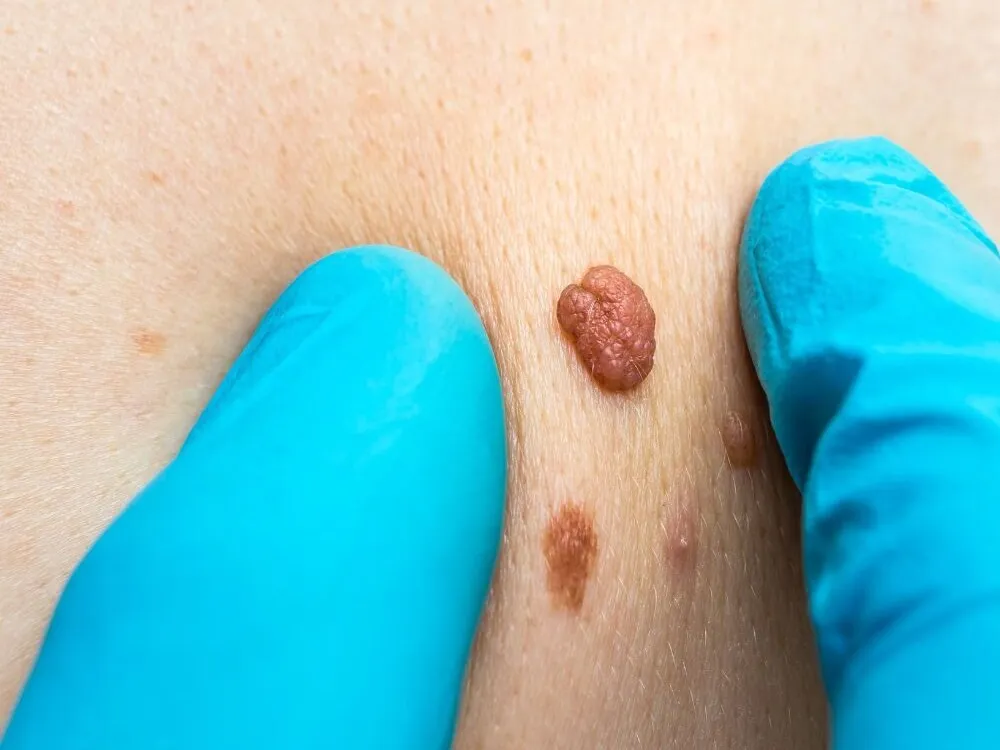
Waxy, raised tan or brown patches that look stuck onto the skin and become more common with age.
Mole and freckle removal
Pigmented spots, treated only once Dr. Mikki has examined the mole and confirmed it is benign.
Sunspot removal
Flat brown patches left by cumulative sun exposure, usually on the face, chest and hands.
Ways a benign lesion can be removed
The right technique depends on the type and size of the lesion. Medrein performs laser removal, and Dr. Mikki will tell you when a different route is the honest answer for your spot.
Why choose a laser for benign spots
Freezing and snipping remove a lesion but affect more of the skin around it. A focused laser works in fine layers to spare that skin. If a nail rather than the skin is the concern, the same platform offers fungal nail treatment.
| Feature | Laser (Medrein) | Freezing / Snipping | Leaving It |
|---|---|---|---|
| Physician examines the lesion first | Included | Varies | Not included |
| Works in fine layers to spare nearby skin | Included | Not included | Varies |
| Precise on small, defined lesions | Included | Varies | Not included |
| Treats benign spots only, not skin cancer | Included | Included | Not included |
What a lesion removal session looks like
Examination
Dr. Mikki looks at each spot before anything else happens. Only lesions she confirms as benign go on to be treated, and anything that has changed or needs assessment is referred for evaluation rather than removed cosmetically.
Your plan
The approach varies from person to person, because it depends on the location, size and type of each lesion. Dr. Mikki maps which spots fit your goals and confirms what is treatable in one visit.
Comfort
The area is cleansed and numbed with anesthetic before treatment. The procedure is non-invasive and done in the office as an outpatient visit, with no operating room and no general anesthesia.
Removal and aftercare
The laser removes the lesion in fine layers. You go home the same day with aftercare and sun-protection instructions, and the treated spot may scab or look pink for a short time while it heals. Individual results vary.
Safety, healing and what to expect afterward
Why laser lesion removal is low-risk
- Non-surgical and minimally invasive, so the laser works through the skin with no incision and no operating room.
- Performed in the office as an outpatient visit, with anesthetic used to keep you comfortable.
- Targeted and customised to the individual spot, so the skin around it is spared.
- Low risk of side effects, and the noticeable ones usually settle quickly after treatment.
- Quick healing, with a low likelihood of lasting blemishes, burns or scars.
- Every treatment is led by Dr. Haritha Mikkilineni, a board-certified physician.
Possible side effects and aftercare
- A small scab or crust over the treated spot while the skin closes over it.
- Pink or temporarily darker skin at the site, which generally settles as it heals.
- Tenderness or mild swelling in the treated area for the first few days.
- Moles in particular can return, because mole cells can regrow, so a touch-up is occasionally needed.
- Healing depends on the lesion type, its location and your skin, so individual results vary.
- The treated area needs sun protection while it heals, which Dr. Mikki reviews with you.
Who benign lesion removal is for
Candidacy is decided at the exam, not on a website. Dr. Mikki confirms what is benign, treats what is safe to treat, and refers the rest. Where the concern turns out to be a nail rather than the skin, laser nail treatment on the same platform is the sibling she will point you to.
A good fit
- A spot Dr. Mikki has examined and confirmed is benign.
- Skin tags, cherry angiomas, milia, seborrheic keratoses and similar surface growths.
- Several small lesions you would like handled inside one appointment.
- Wanting removal without an incision, an operating room or general anesthesia.
- Realistic expectations, and a willingness to follow the aftercare while the area heals.
Not the right treatment
- A lesion that hurts, is changing in size, shape or colour, or looks like an open wound that will not heal. That needs medical evaluation first.
- An undiagnosed spot you want removed before anyone has examined it.
- Skin cancer, or a lesion suspected of being skin cancer. This is a cosmetic removal service and does not diagnose or treat cancer.
- Expecting a mole never to return, since mole cells can regrow and Dr. Mikki will say so up front.
When a spot needs assessment first
See a physician if a lesion causes discomfort or pain, alters in size, shape or color, or looks like an open wound that will not heal. Malignant growths do not always develop from benign lesions, but abnormal cells that keep changing and multiplying can become malignant, which is why an undiagnosed spot is examined before it is treated and referred for assessment when that is the right call. Benign lesion removal at Medrein is a cosmetic procedure. It does not diagnose or treat skin cancer, and individual results vary.
Before and after
Each pair holds one set of benign lesions before removal beside the same view afterwards. Four cases, and individual results vary.
Scroll the row sideways for the rest.
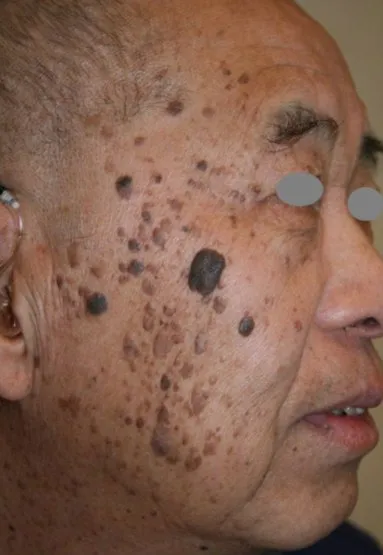
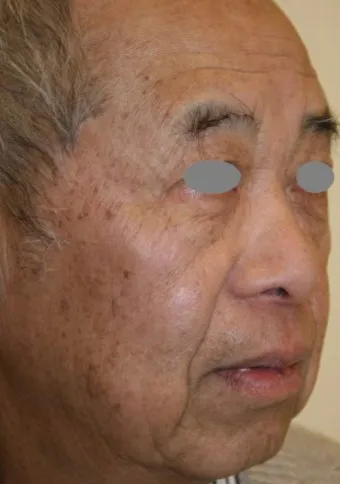
Raised dark brown lesions massed over the cheek and up onto the temple.
Seborrhoeic keratoses like these are removed one at a time in a single visit.
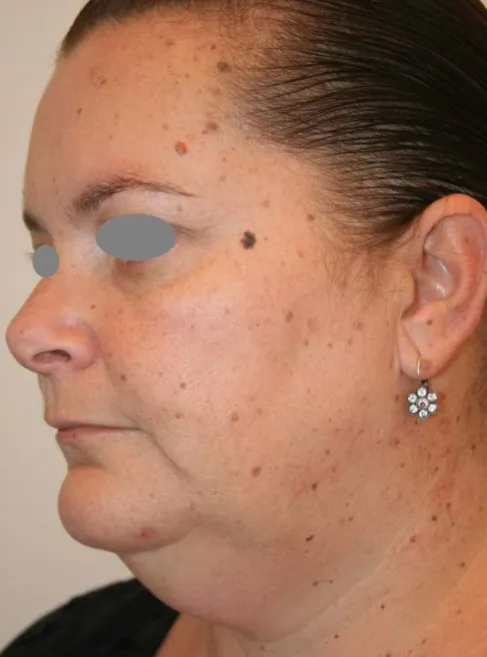
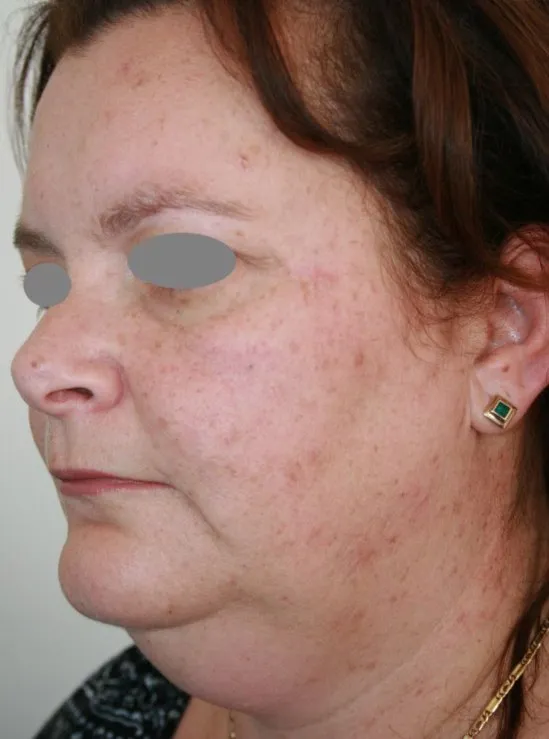
Raised moles and brown lesions scattered over the cheek, the jaw and down the neck.
Anything suspicious is referred rather than lasered, and Dr. Mikki makes that call first.
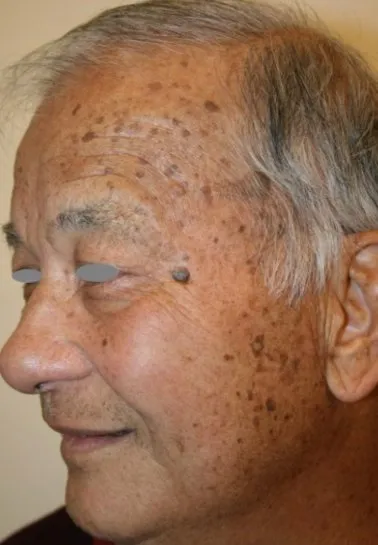
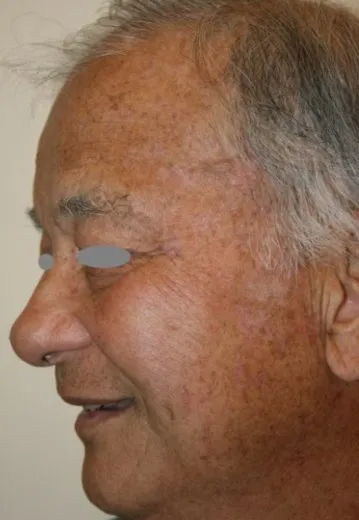
A scatter of raised brown lesions across the temple, the brow and the upper cheek.
The laser works spot by spot, so nothing untreated is touched.
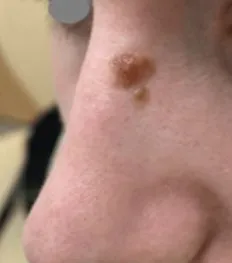
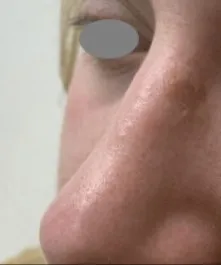
A single raised brown lesion on the side of the nose.
One spot is a short appointment; healing is a small crust that lifts on its own.

Why patients choose laser lesion removal
These reflect common patient sentiment rather than verbatim quotes, and individual results vary.
I had a few skin tags on my neck and a couple of spots I honestly wasn’t sure about. What put me at ease was that Dr. Mikki looked at each one and told me which were fine to remove and which she wanted to watch. She treated the harmless ones with the laser that day and it was quick. Results may vary, but knowing a physician checked everything first was the whole reason I came here.
A handful of cherry angiomas gone in one short visit, and my skin healed cleanly.

Frequently asked questions
What is benign lesion removal, and how does the laser work?
Benign lesion removal uses a focused Fotona laser to remove non-cancerous skin growths in fine layers. The energy targets the lesion while sparing the surrounding skin, which supports precise removal and a cleaner result. Dr. Mikki performs the treatment under local numbing after examining the area.
Which skin lesions can be treated?
Skin tags, warts, cherry angiomas, spider veins and telangiectasias, venous lakes, milia, xanthelasma, seborrheic keratoses, moles, freckles and sunspots are the lesions treated with the laser at Medrein. Only spots confirmed as benign are treated, on the face or the body. This is a cosmetic removal service, not a treatment for skin cancer.
What causes benign skin lesions?
Benign lesions are non-cancerous formations with distinct borders and modest growth, and they can appear anywhere on the body without spreading elsewhere. Common contributors include genetics, environmental exposures such as radiation, diet and stress, burns or injury, infection or inflammation, and birthmarks. People become more prone to them with age, though they can appear at any age, including in children.
How do you know a lesion is safe to remove?
Dr. Mikki, a board-certified physician, examines every lesion before any treatment. If a spot has features that need further evaluation, or if it has changed in size, color, or shape, she will refer you for assessment and biopsy rather than laser it. A suspicious lesion is never removed cosmetically without that step.
Can a benign lesion turn cancerous, and when should I get a spot checked?
Malignant growths do not always develop from benign lesions, but abnormal cells that keep changing and multiplying uncontrollably do have the potential to become malignant. See a doctor if a lesion causes discomfort or pain, alters in size, shape or color, or looks like an open wound that will not heal. Dr. Mikki examines every spot before treatment and refers anything that needs assessment rather than removing it cosmetically.
Can I remove a skin tag or mole at home?
Simple home and topical treatments help with some benign skin lesions, but they cannot tell you what the spot actually is. Because some lesions need a medical opinion before anything is done to them, having a knowledgeable physician look at the spot first is the part that matters. Dr. Mikki examines the lesion, tells you plainly whether it is safe to remove, and treats only what is confirmed benign.
Can skin tags and warts be prevented?
Skin tags form where skin rubs and folds, so maintaining a healthy weight and reducing those folds can lower the chance of new ones forming. Warts are contagious, so avoiding contact with other people’s warts is the practical precaution there. Neither step removes what has already formed, which is what the laser is for.
Is there downtime, and will the lesion come back or leave a mark?
Most patients have little downtime. The treated area may form a small scab or look pink for a short time as it heals, and Dr. Mikki reviews aftercare and sun protection with you. Many benign lesions are removed in a single session, though some types recur. A mole in particular can regrow to its former size and shape, and a regrown mole is not a sign of cancer. Healing varies by person and site, so Dr. Mikki sets a realistic expectation for your case at consultation.
How many lesions can be treated in one visit?
Several small lesions can often be addressed in the same appointment, with the exact plan confirmed at consultation based on the number, size, and location of the spots. Dr. Mikki maps the areas that fit your goals during the exam.
Have a spot you want looked at?
Dr. Mikki examines each lesion, confirms it is benign, and removes what is safe to treat.
4.8★ from 128 verified Google reviews